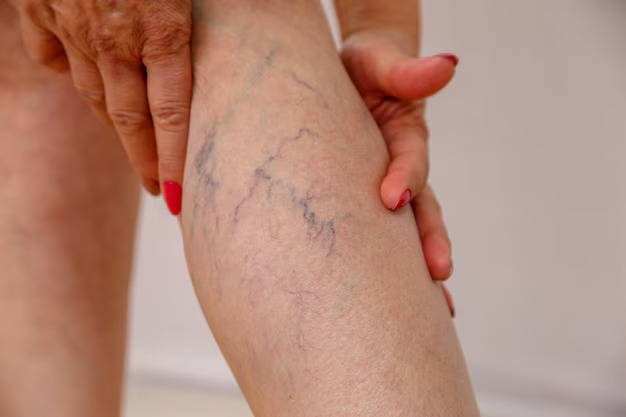
Deep Vein Thrombosis Management
This disease occur when a clot forms in deep leg veins, causing pain and swelling. Doppler study helps confirm diagnosis. Venography, thrombectomy, or venoplasty can restore blood flow. Early treatment prevents clot migration, reduces complications, and improves limb recovery and long-term outcomes.
Frequently Asked Question's About DVT
What is deep vein thrombosis (DVT)?
Deep vein thrombosis is a condition in which a blood clot develops inside a deep vein, most commonly in the leg. It can interfere with normal blood flow and, in some cases, the clot can travel to the lungs and cause a serious complication.
What are the warning signs of DVT?
Common signs may include swelling in one leg, pain or tenderness, warmth, redness, or a change in the appearance of the affected area. Some people may have few or no noticeable symptoms, so sudden or unexplained leg swelling should be medically assessed.
What can increase the risk of developing DVT?
The risk can increase with prolonged immobility, recent surgery or hospitalisation, long-distance travel, certain medical conditions, pregnancy, smoking, obesity, or a previous history of blood clots. The level of risk varies between individuals.
How is deep vein thrombosis diagnosed?
A doctor may assess symptoms and risk factors and recommend tests to confirm a suspected clot. Doppler or duplex ultrasound is commonly used to examine blood flow through the veins, while blood tests or other imaging may be used in selected cases.
How is DVT treated?
Treatment depends on the location and severity of the clot and the patient's overall health. Blood-thinning medicines are commonly used to prevent the clot from growing and reduce the risk of further clots. In selected cases, additional procedures or other treatments may be considered.