Heart Attack & Emergency Care
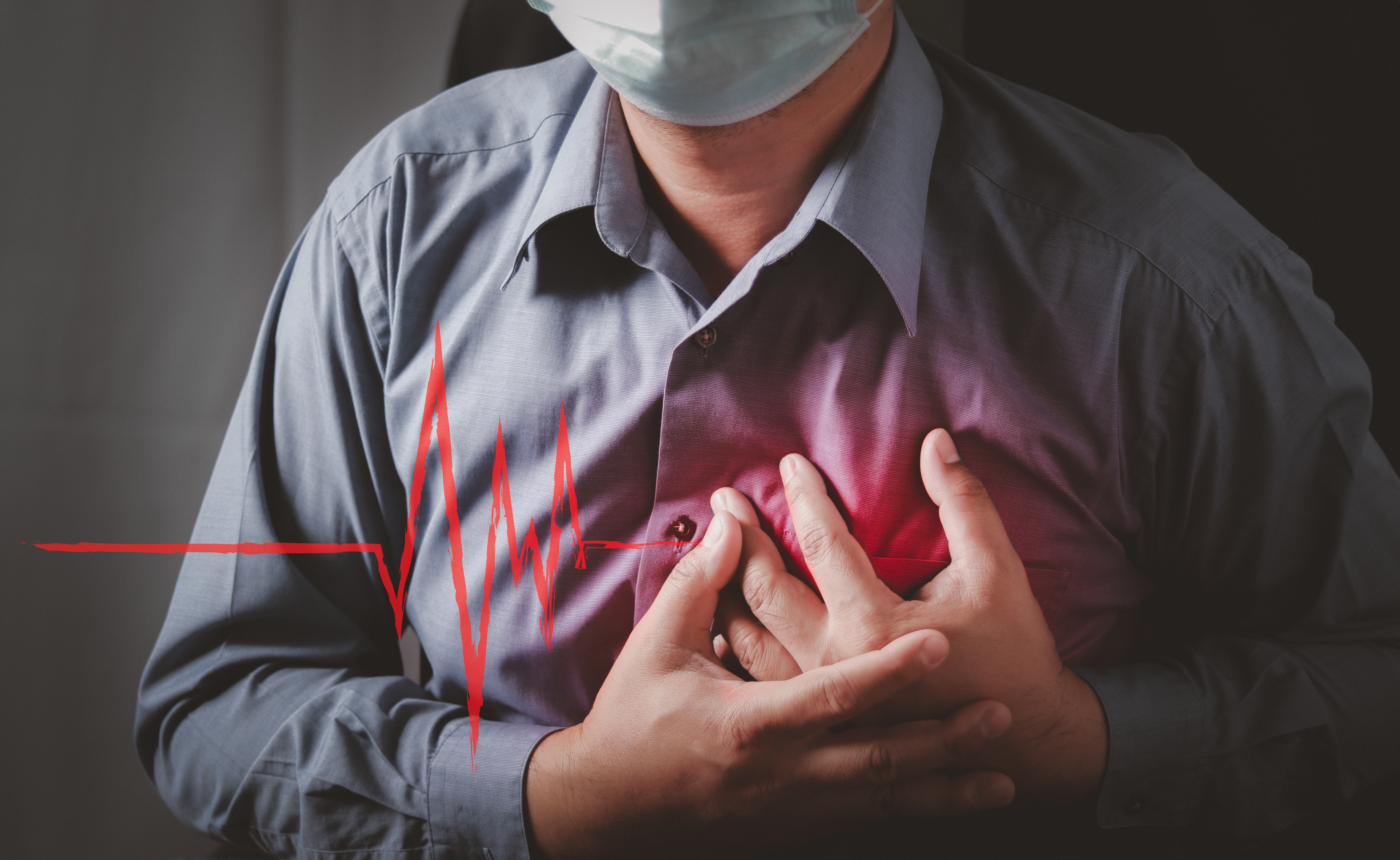
Our 24/7 cardiac emergency unit specializes in managing heart attacks with clot-busting therapy, primary angioplasty, and advanced resuscitation support. Immediate care minimizes heart muscle damage and saves lives. Our dedicated team ensures rapid diagnosis using ECG and cardiac markers, followed by prompt treatment in our state-of-the-art cath lab for the best outcomes.
Frequently Asked Question's About Heart Attack
What are the warning signs of a heart attack?
A heart attack can cause chest pressure, squeezing or discomfort, shortness of breath, cold sweating, nausea, unusual weakness, or pain that spreads to the arm, shoulder, back, neck, or jaw. Symptoms can vary, and some people may have less typical signs.
What should I do if I suspect someone is having a heart attack?
Treat suspected heart attack symptoms as a medical emergency. Seek emergency medical help immediately and avoid driving the person yourself unless there is no other option. Prompt treatment can help limit damage to the heart.
How is a heart attack diagnosed in the emergency department?
Doctors may assess symptoms and perform tests such as an electrocardiogram (ECG) and blood tests, including cardiac troponin. Imaging and other cardiac investigations may also be used depending on the patient's condition.
What treatments may be needed during a heart attack?
Treatment depends on the type of heart attack and the condition of the blocked coronary artery. Medicines may be given, and some patients may require an urgent procedure such as coronary angioplasty to restore blood flow to the heart.
Why is immediate treatment important after a heart attack?
A blocked coronary artery can deprive heart muscle of oxygen, and prolonged interruption of blood flow can cause increasing damage. Getting emergency medical care as quickly as possible gives doctors an opportunity to restore circulation and reduce the risk of serious complications.