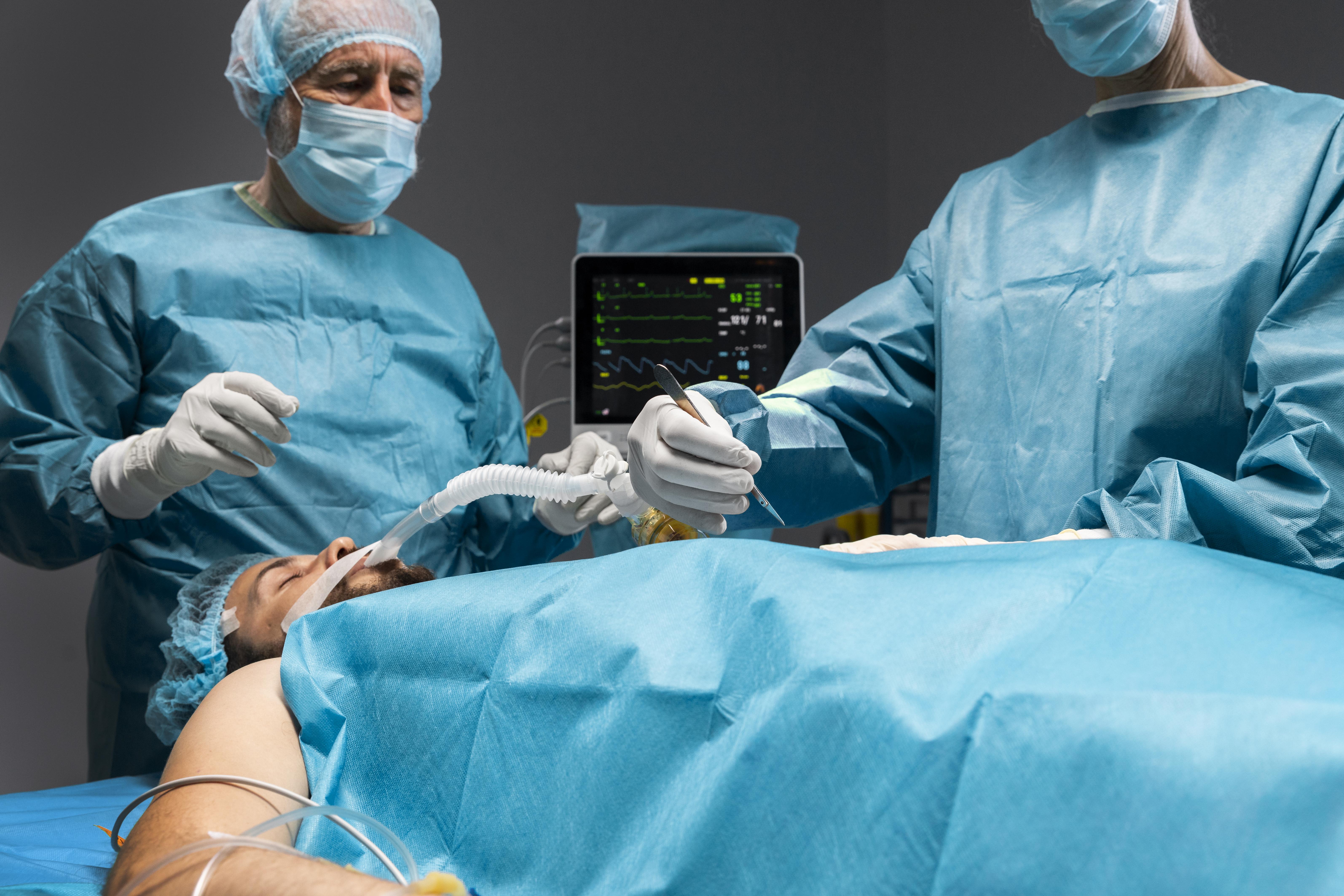
Peripheral Angiography & Angioplasty
It help patients who have pain in limbs due to intermittent claudication. Angiography can diagnose block in artery of lower limb. Balloon plasty and stent placement may cure blockages, improve blood flow, relieve pain, and restore mobility with timely vascular intervention. Early treatment prevents limb damage.
Frequntly Asked Question's
What is peripheral angiography and why is it performed?
Peripheral angiography is an imaging procedure used to examine the blood vessels outside the heart, particularly arteries supplying the legs and arms. It can help doctors identify narrowed or blocked blood vessels and understand the extent of reduced blood flow.
What symptoms may indicate a peripheral artery blockage?
Leg pain while walking, coldness in the feet or hands, numbness, weakness, changes in skin colour, or wounds that heal slowly can sometimes be associated with reduced blood circulation. Persistent or worsening symptoms should be evaluated by a doctor.
How is peripheral angiography performed?
A thin catheter is carefully guided through a blood vessel toward the area being examined. Contrast material may then be injected so that X-ray images can show the blood vessels and reveal areas of narrowing or blockage.
When is peripheral angioplasty recommended?
Peripheral angioplasty may be considered when an artery is significantly narrowed or blocked and improving blood flow could help relieve symptoms or support healing. During the procedure, a balloon may be used to widen the narrowed artery, and a stent may be placed when appropriate.
What is recovery like after peripheral angiography or angioplasty?
Recovery depends on the type of procedure and the patient's overall health. The access site may need to be monitored for a period after the procedure, and patients may receive medicines and lifestyle advice to support better circulation and reduce the risk of further artery narrowing.