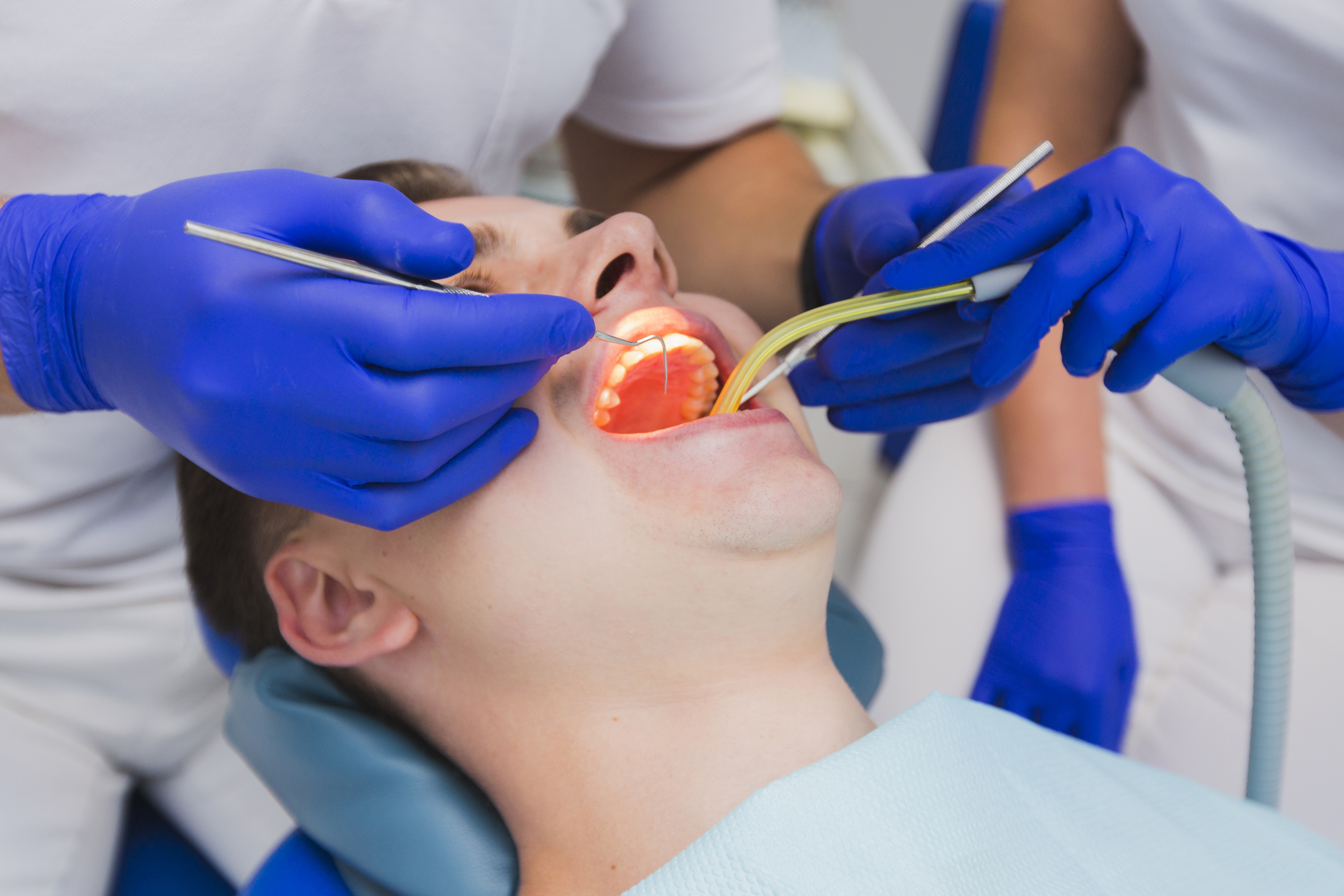
Root Canal Therapy
A root canal is a dental treatment used to save a tooth that is infected or severely decayed. Many people worry that the procedure is painful, but in most cases it causes no more discomfort than a regular dental filling and helps relieve tooth pain
Frequently Asked Question's About Root Canal
What is root canal treatment and why is it needed?
Root canal treatment is a dental procedure used to treat a tooth when the pulp inside it becomes infected or inflamed. It involves removing the affected tissue, cleaning and disinfecting the inside of the tooth, and sealing it to prevent further infection.
What symptoms may indicate that I need a root canal?
Persistent toothache, sensitivity to hot or cold, pain while chewing, swelling around the tooth, or a recurring dental infection may indicate that the tooth pulp is affected. Sometimes, a damaged tooth may need evaluation even when pain is not severe.
Can a root canal save a badly damaged tooth?
In many cases, root canal treatment can help preserve a natural tooth that might otherwise need to be removed. Whether the tooth can be saved depends on the amount of remaining healthy tooth structure, the extent of infection, and the condition of the surrounding tissues.
Is root canal treatment painful?
The procedure is performed under local anaesthesia, so significant pain during treatment is generally avoided. Some tenderness or sensitivity can occur for a few days afterwards, particularly if there was an infection or inflammation before treatment.
Does a tooth need a crown after root canal treatment?
A crown may be recommended after root canal treatment, particularly for teeth that have lost a substantial amount of structure. It can help protect the treated tooth from cracking and restore its function, although the need depends on the tooth and its condition.