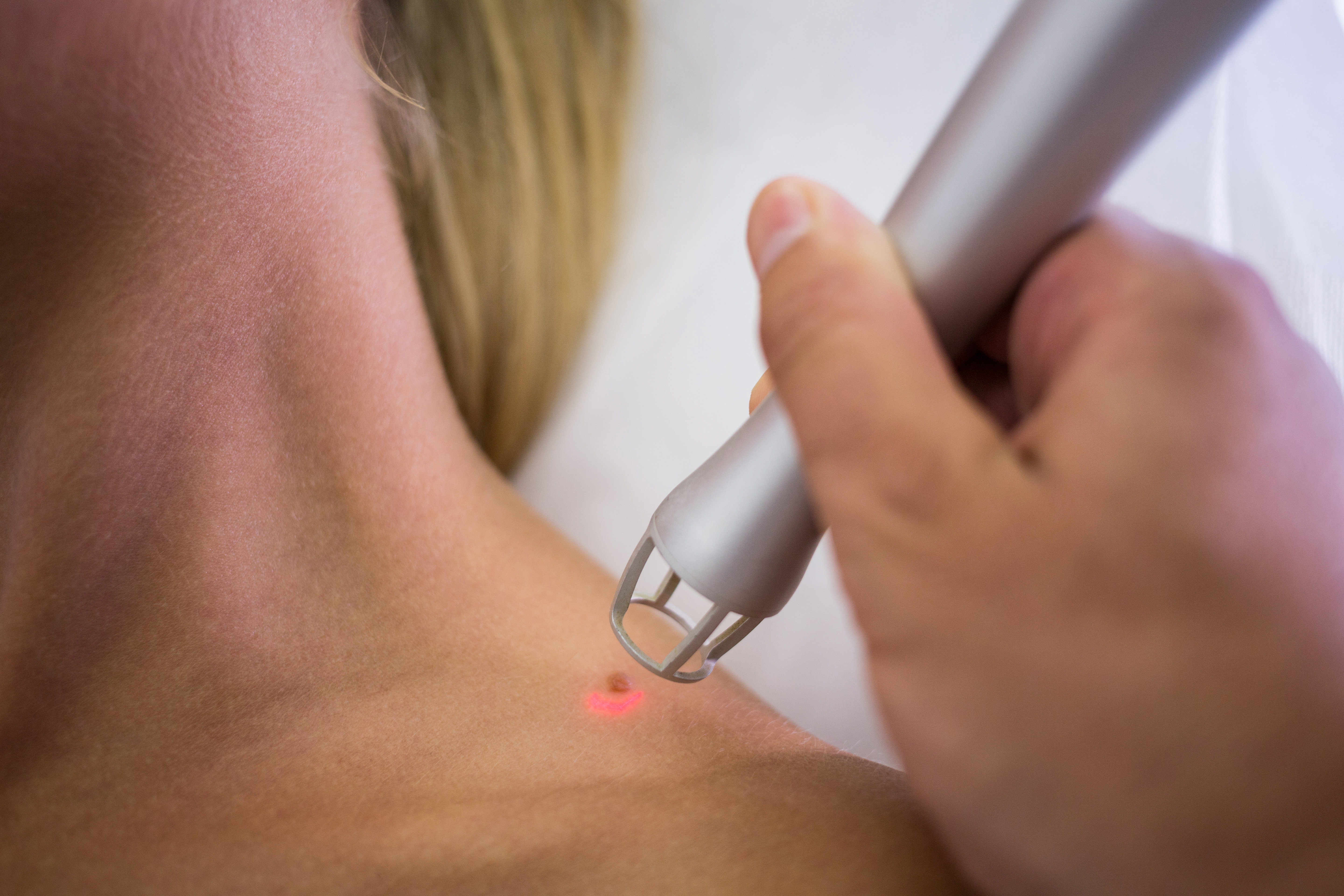
Mole Removal
Mole removal is a medical procedure in which a mole is either partly or fully taken off the skin. After removal, the tissue is sent for testing to rule out skin cancer or other skin-related conditions, helping with early diagnosis and proper treatment.
Frequently Asked Question's About Mole Removal
What is mole removal and why is it performed?
Mole removal is a procedure used to remove a mole from the skin. It may be considered when a mole is bothersome, repeatedly irritated, cosmetically unwanted, or has features that need further medical evaluation.
When should a mole be checked by a dermatologist?
A mole should be examined if it changes noticeably in size, shape, colour, or texture, starts bleeding or itching, develops an irregular border, or looks significantly different from other moles. A dermatologist can determine whether it requires monitoring or removal.
What methods are used for mole removal?
The removal technique depends on the mole's size, location, appearance, and depth. A dermatologist may use techniques such as surgical excision or another appropriate removal method after examining the mole.
Does mole removal leave a scar?
Any procedure that removes a mole can potentially leave a mark or scar, although its appearance can vary depending on the removal technique, the size and location of the mole, and individual healing. Your dermatologist can discuss the expected result before treatment.
Can a removed mole be tested for cancer?
Yes. When medically appropriate, the removed tissue can be sent to a pathology laboratory for examination. This can help determine whether the mole shows any abnormal or cancerous changes and whether further follow-up is needed.