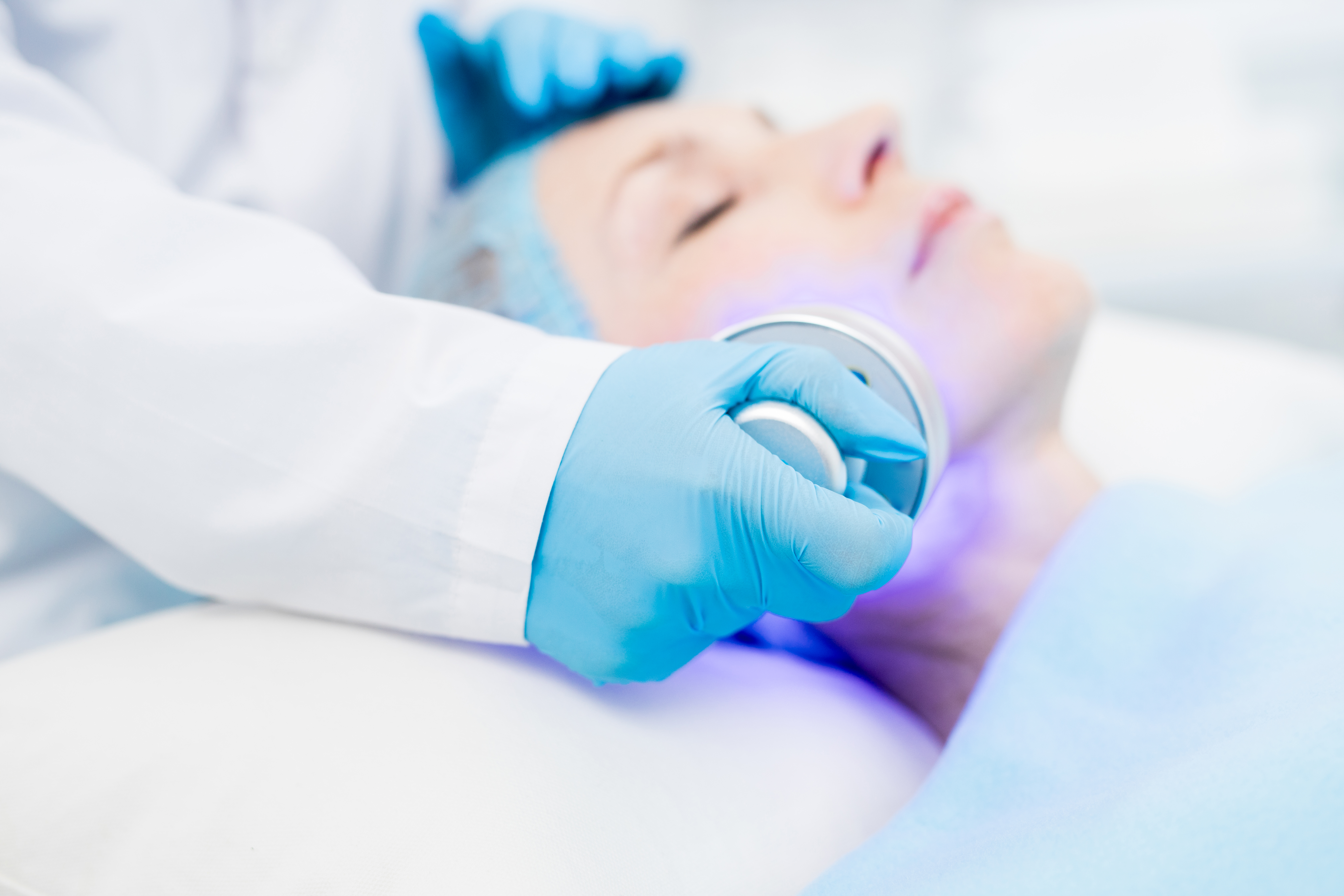
Phototherapy
This treatment uses controlled exposure of the skin to ultraviolet light under medical supervision. It is commonly recommended for conditions such as psoriasis, vitiligo, and eczema, helping reduce inflammation, slow abnormal skin cell growth, and improve overall skin appearance with regular sessions.
Frequently Asked Question's About Phototherapy
What is phototherapy and how does it help with skin conditions?
Phototherapy is a dermatological treatment that uses controlled exposure to specific wavelengths of light to manage certain skin conditions. It may help reduce inflammation, slow abnormal skin-cell activity, or improve changes in skin pigmentation depending on the condition being treated.
Which skin conditions can be treated with phototherapy?
Phototherapy may be recommended for conditions such as psoriasis, vitiligo, eczema, and some other inflammatory or pigment-related skin disorders. The type of light treatment depends on the diagnosis and the patient's skin condition.
How does a phototherapy session work?
During a session, the affected skin is exposed to a carefully measured amount of therapeutic light for a specific duration. The dermatologist determines the treatment dose and frequency based on the condition, skin type, and response to therapy.
How often is phototherapy needed for skin treatment?
The number and frequency of sessions vary according to the skin condition and how the patient responds to treatment. Some conditions require a course of multiple sessions over several weeks, with the dermatologist adjusting treatment as needed.
Are there any side effects of phototherapy?
Some patients may experience temporary redness, dryness, itching, or increased sensitivity of the treated skin. Excessive exposure can cause unwanted skin reactions, so phototherapy should be performed according to the dermatologist's prescribed treatment schedule.