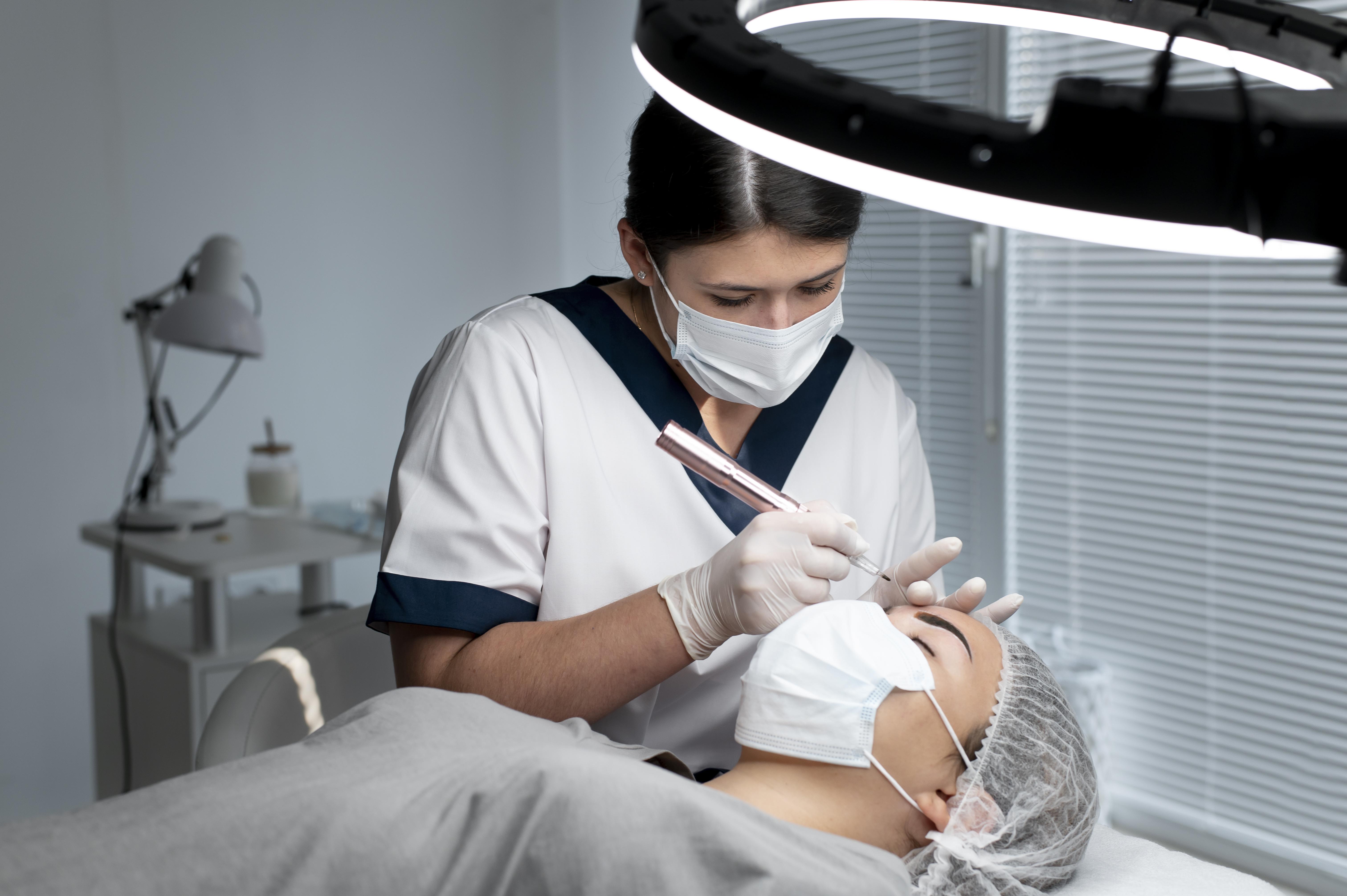
Surgical Procedures
Dermatological surgery may be needed to remove skin cancers, moles, cysts, or abnormal growths. Common procedures include surgical excision, Mohs surgery for skin cancer, laser treatments, and cryotherapy, all performed to safely remove lesions and protect healthy skin.
Frequently Asked Question's
What are dermatological surgical procedures used for?
Dermatological surgery can be used to remove or treat certain skin growths, lesions, cysts, scars, and other conditions that may not respond to medicines or need physical removal. The procedure chosen depends on the type, size, location, and nature of the skin concern.
When should a skin growth or lesion be evaluated for removal?
A dermatologist may recommend evaluation when a growth changes in size, shape, colour, or texture, becomes painful or repeatedly irritated, bleeds, or interferes with daily activities. Some lesions may also need removal for further examination.
What types of skin conditions can require dermatological surgery?
Depending on the diagnosis, surgical treatment may be used for certain moles, cysts, skin tags, benign growths, suspicious lesions, scars, and selected skin cancers. A dermatologist determines whether surgery is appropriate after examining the affected area.
Is dermatological surgery performed under local anaesthesia?
Many minor skin procedures can be performed under local anaesthesia, which numbs the treatment area while the patient remains awake. The type of anaesthesia depends on the procedure, its extent, and the area being treated.
Will there be a scar after a dermatological surgical procedure?
A surgical procedure can leave a scar, although its appearance varies depending on the size and depth of the treatment area, the technique used, the location on the body, and individual healing. Following proper wound-care instructions can support healthy healing.