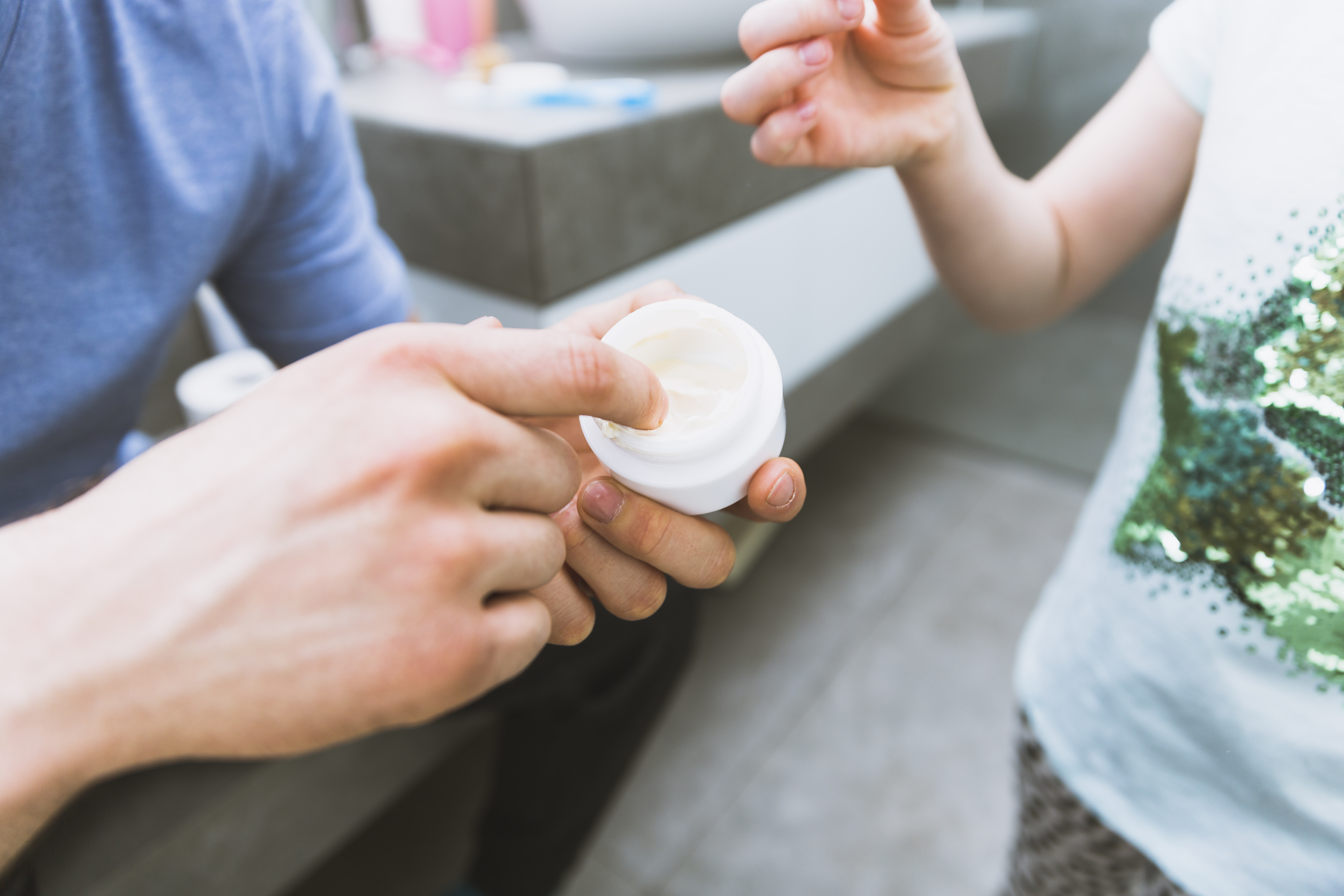
Topical Medication
Creams, lotions, and ointments applied directly to the skin are widely used in dermatology to treat various skin conditions. They help manage problems such as eczema, psoriasis, acne, fungal infections, rashes, and dryness by soothing the skin, reducing inflammation, and promoting healing when used as prescribed.
Frequently Asked Question's
What are topical medicines and how are they used for skin problems?
Topical medicines are treatments applied directly to the skin to manage specific dermatological conditions. They may come as creams, ointments, gels, lotions, or solutions and can help control problems such as inflammation, infections, acne, dryness, or irritation.
Which skin conditions can be treated with topical medicines?
Topical treatment may be prescribed for conditions such as acne, fungal infections, eczema, dermatitis, psoriasis, bacterial skin infections, and other skin concerns. The medicine selected depends on the diagnosis and severity of the condition.
How should I apply a topical medicine correctly?
Apply the medicine exactly as directed by your dermatologist, using the recommended amount and frequency. Clean and dry the affected area when instructed, avoid applying the product to unintended areas, and wash your hands after application unless the hands are being treated.
Can topical medicines cause skin irritation or other side effects?
Some topical medicines can cause temporary dryness, redness, burning, itching, or irritation, particularly when treatment is first started. The type and likelihood of side effects depend on the medicine, so persistent or severe reactions should be discussed with your dermatologist.
How long does it take for topical treatment to improve a skin condition?
The time required depends on the skin condition, its severity, and the medicine being used. Some problems may improve within a short period, while chronic conditions can require longer treatment and regular follow-up to assess the response.