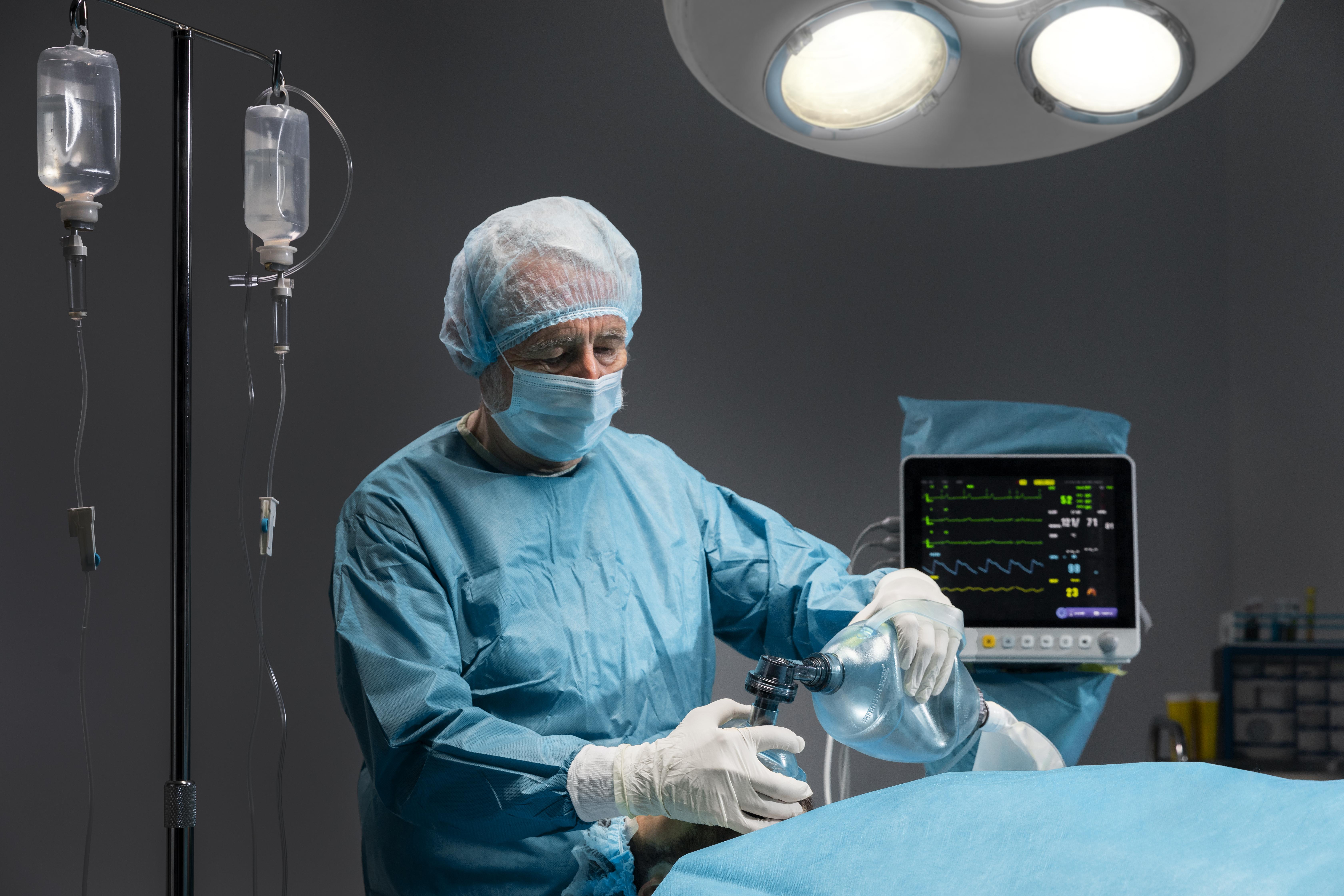
Automated Peritoneal Dialysis
APD is a home-based dialysis method that uses a machine to perform fluid exchanges automatically, usually during the night. The machine fills and drains dialysis fluid through a catheter in the abdomen. This method allows regular blood cleansing while giving patients more flexibility and comfort in daily life.
Frequently Asked Question's About APD
What is automated peritoneal dialysis (APD)?
Automated peritoneal dialysis is a form of dialysis that uses the lining of the abdomen to remove waste products and excess fluid from the blood. A specialised machine, called a cycler, performs the prescribed fluid exchanges, usually while the patient is sleeping.
How does automated peritoneal dialysis work?
Dialysis fluid enters the abdomen through a catheter and remains there for a specified period. The cycler then drains the used fluid and replaces it with fresh dialysis solution according to the treatment plan set by the nephrology team.
Who may be suitable for automated peritoneal dialysis?
APD may be considered for people with advanced kidney disease who need peritoneal dialysis and are medically suitable for the treatment. Factors such as overall health, abdominal conditions, lifestyle, and the ability to manage the dialysis process safely are considered before starting.
Can automated peritoneal dialysis be performed at home?
Yes. APD is commonly designed for home-based treatment, with the machine carrying out exchanges according to the prescribed schedule. Patients and caregivers receive training on operating the cycler, maintaining hygiene, storing supplies, and responding to potential problems.
What symptoms should be reported during automated peritoneal dialysis?
Abdominal pain, fever, cloudy drainage fluid, redness or discharge around the catheter, swelling, or difficulty draining dialysis fluid should be reported promptly. These symptoms may indicate an infection or another complication that requires medical assessment.