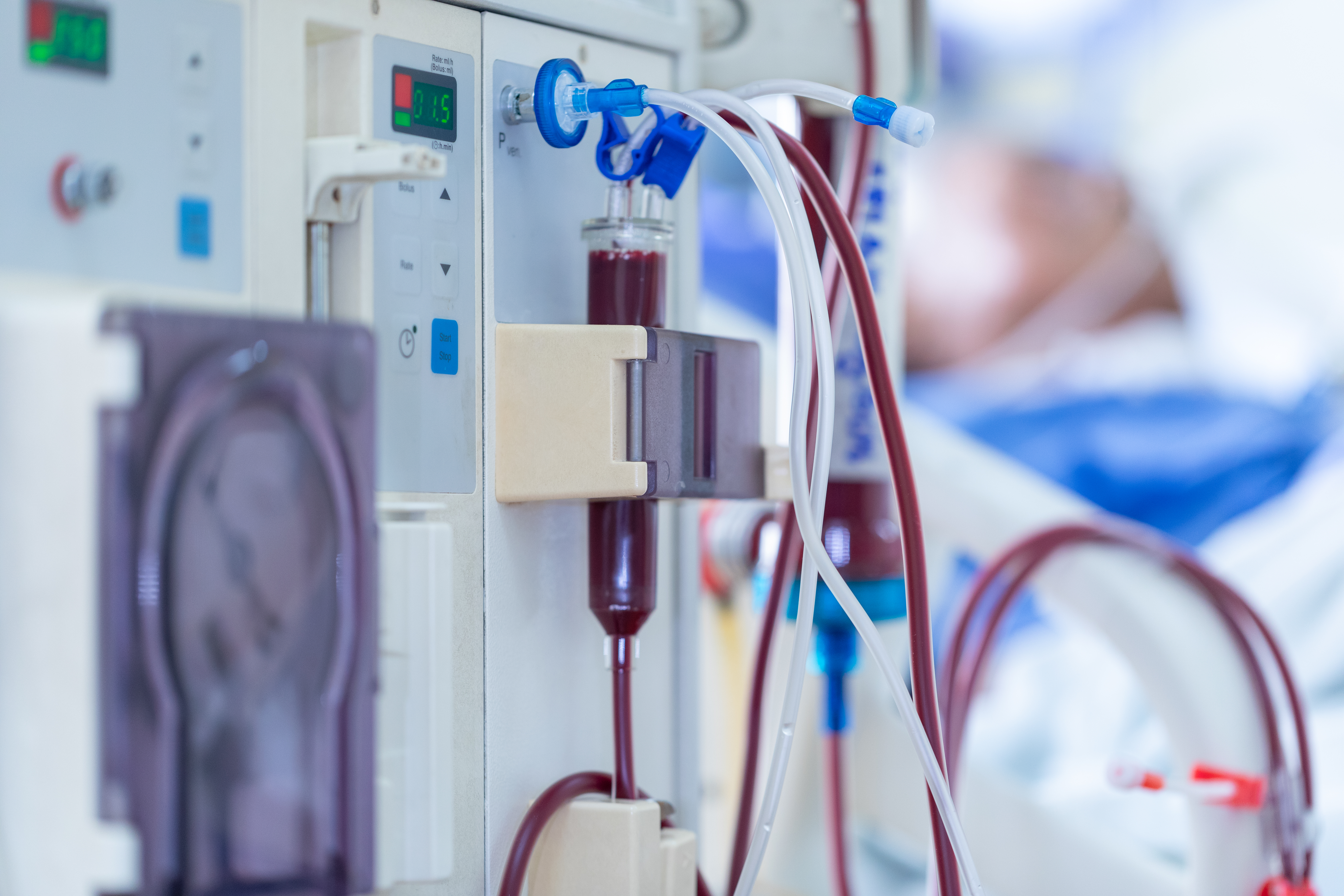
Continuous Ambulatory Peritoneal Dialysis
CAPD is a form of dialysis that can be done during the day without a machine. The patient manually exchanges dialysis fluid through a catheter in the abdomen several times a day. It helps remove waste and excess fluid while allowing the patient to continue with normal daily activities.
Frequntly Asked Question's About CAPD
What is continuous ambulatory peritoneal dialysis (CAPD)?
Continuous ambulatory peritoneal dialysis is a type of dialysis that uses the lining of the abdomen, called the peritoneum, to help remove waste products and excess fluid from the blood. Dialysis fluid is placed into the abdomen through a catheter and later drained and replaced with fresh fluid.
Who may be suitable for CAPD?
CAPD may be an option for some people with advanced kidney disease who require dialysis. Suitability depends on kidney function, overall health, abdominal conditions, ability to perform the exchanges safely, and guidance from a nephrology team.
How often does CAPD need to be performed?
CAPD involves regular exchanges of dialysis fluid throughout the day. The number and timing of exchanges are prescribed according to the patient's dialysis requirements and individual treatment plan.
Can CAPD be performed at home?
Yes. One of the main features of CAPD is that exchanges can generally be performed outside a dialysis centre after the patient and caregiver have received proper training. Maintaining clean technique and following the dialysis team's instructions are important.
What problems should be reported during CAPD?
Abdominal pain, fever, cloudy dialysis fluid, redness or discharge around the catheter, swelling, or difficulty draining the fluid should be reported promptly to the healthcare team. These symptoms can indicate complications such as peritonitis or catheter-related problems that need medical attention.