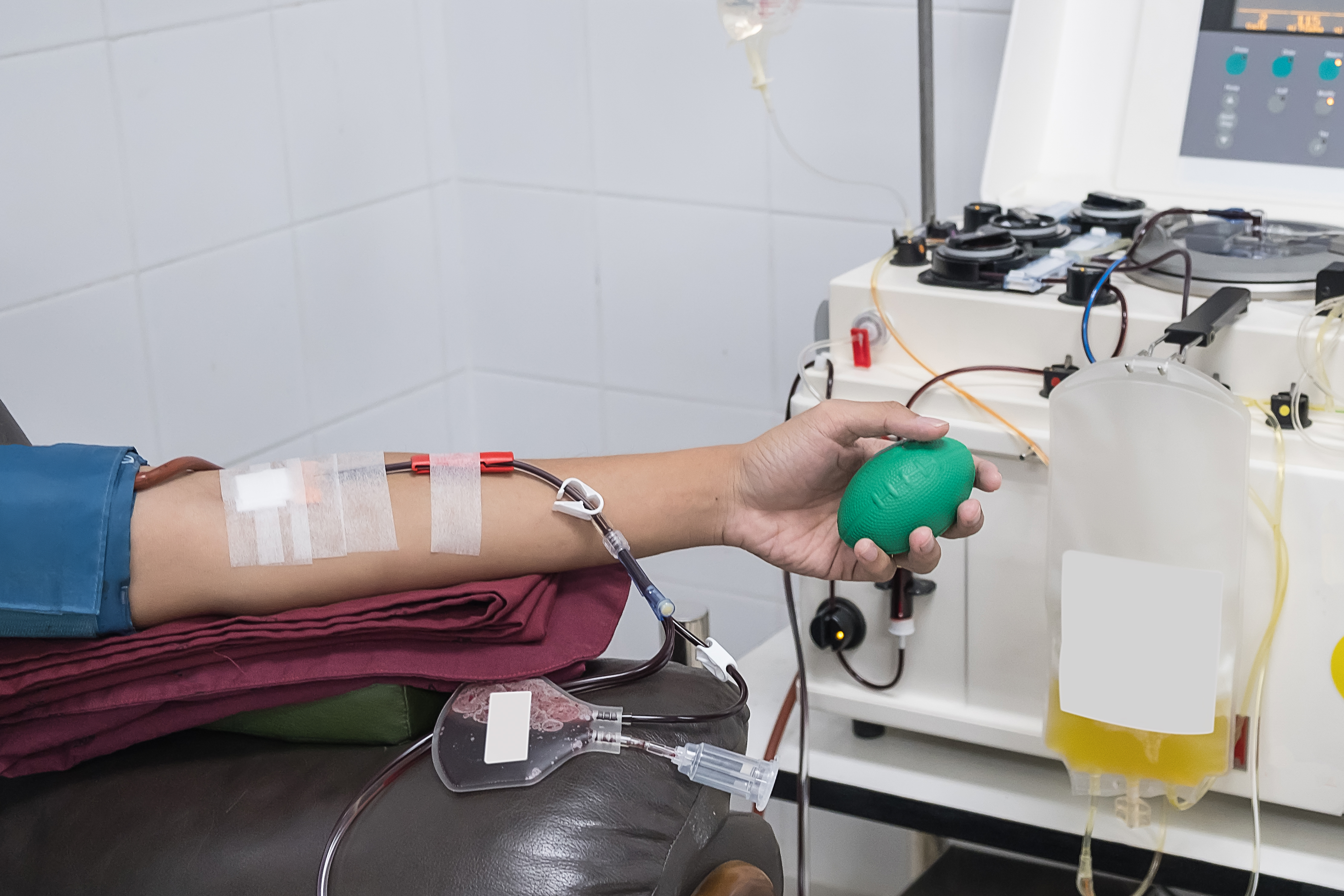
High-Frequency Home Hemodialysis
HHD is a form of dialysis done at home more often than regular schedules. It allows patients to clean their blood frequently using a home dialysis machine. This approach can help reduce fluid buildup, improve energy levels, and provide more flexibility in daily life under medical guidance.
Frequently Asked Question's
What is high-frequency home hemodialysis?
High-frequency home hemodialysis is a form of dialysis that allows a person to receive haemodialysis at home more frequently than conventional treatment schedules. The timing and duration of each session are planned according to the patient's individual dialysis needs.
Who may be suitable for home hemodialysis?
Home haemodialysis may be considered for selected people with kidney failure who are medically suitable and have the required dialysis access and home support. A nephrologist assesses the patient's health, treatment needs, and ability to manage dialysis safely before recommending this option.
How is high-frequency home hemodialysis different from centre-based dialysis?
The main difference is where and how often treatment is performed. Home haemodialysis gives eligible patients greater flexibility to follow a prescribed dialysis schedule at home, while centre-based haemodialysis is performed at a dialysis facility according to scheduled appointments.
What training is needed for home hemodialysis?
Patients and caregivers receive training on operating the dialysis equipment, maintaining a clean treatment environment, caring for the dialysis access, and responding to possible complications. The dialysis team also provides guidance on when medical assistance should be sought.
What are the benefits of frequent home hemodialysis?
For suitable patients, more frequent dialysis may provide greater flexibility and allow fluid and waste removal to be spread across more treatment sessions. It may also make it easier for some people to plan dialysis around their daily routine, although the benefits and suitability vary between individuals.