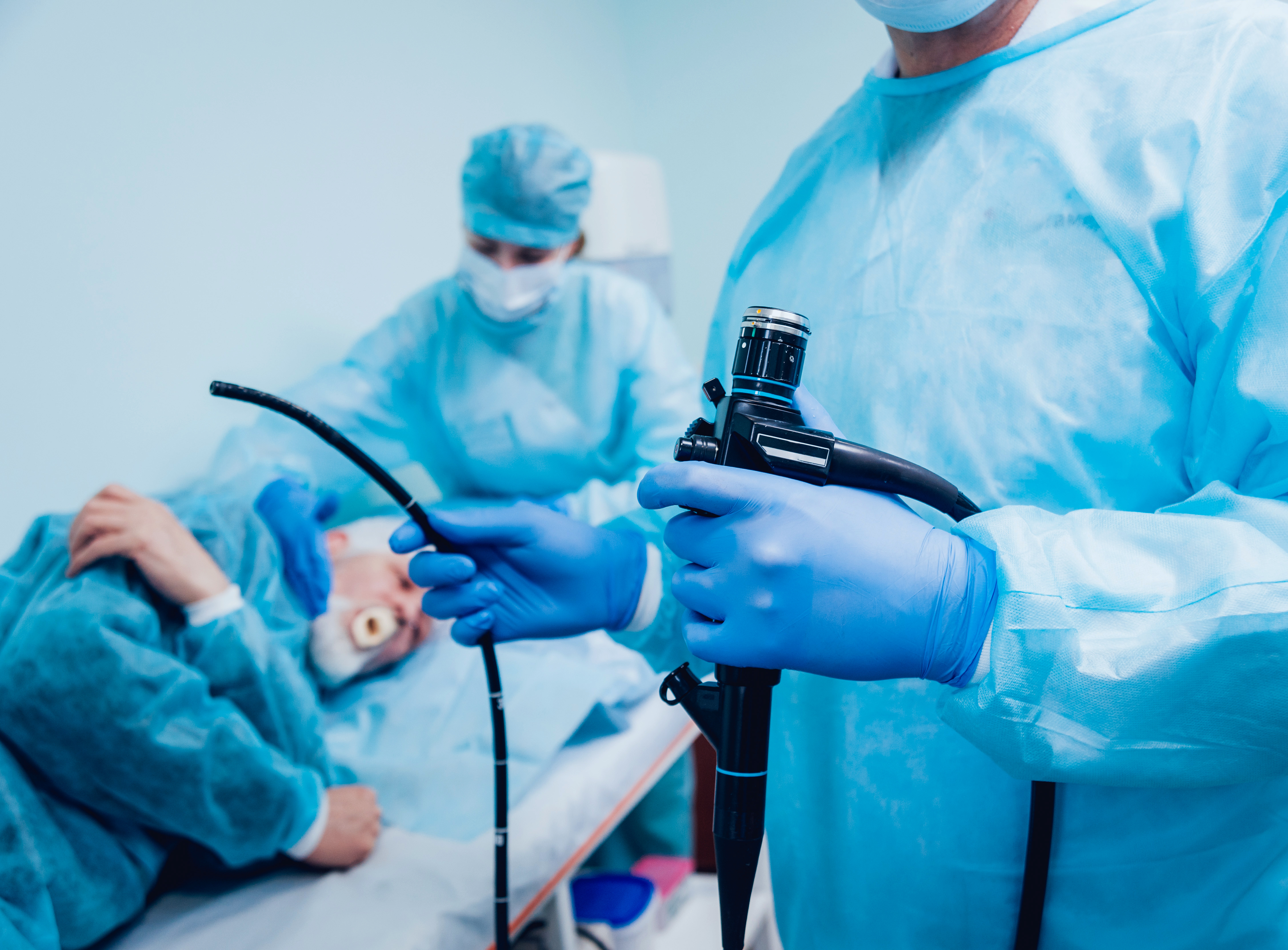
Colonoscopy
A colonoscopy is a procedure used to examine the inner lining of the large intestine and rectum using a flexible medical instrument. It helps doctors identify abnormalities such as polyps, inflammation, bleeding, or other changes in the intestine. The procedure can also help doctors remove polyps or collect tissue samples for further examination.
Frequntly Asked Question's About Colonoscopy
What is a colonoscopy and why is it recommended?
A colonoscopy is an examination of the large intestine using a thin, flexible tube with a camera. It may be recommended to investigate symptoms such as persistent changes in bowel habits, blood in the stool, unexplained abdominal discomfort, or to screen for colorectal conditions.
What conditions can a colonoscopy help detect?
A colonoscopy can help identify conditions affecting the colon, including inflammation, ulcers, polyps, sources of bleeding, and certain abnormal growths. If necessary, tissue samples can also be collected during the procedure for further testing.
How should I prepare for a colonoscopy?
Good bowel preparation is important because the colon needs to be clear for the doctor to examine its lining properly. Preparation may involve following a specific diet, avoiding certain foods, and taking a prescribed bowel-cleansing solution according to the medical team's instructions.
Is a colonoscopy painful?
You may experience some pressure, bloating, or cramping during or after the procedure. Sedation or other medicines may be used to make the examination more comfortable, depending on the procedure and your medical condition.
How long does it take to recover after a colonoscopy?
Most people can return to normal activities relatively quickly after a colonoscopy, although recovery may take longer if sedation was used or a procedure such as polyp removal was performed. Your doctor will provide instructions about eating, medicines, and activity after the examination.