Endoscopy
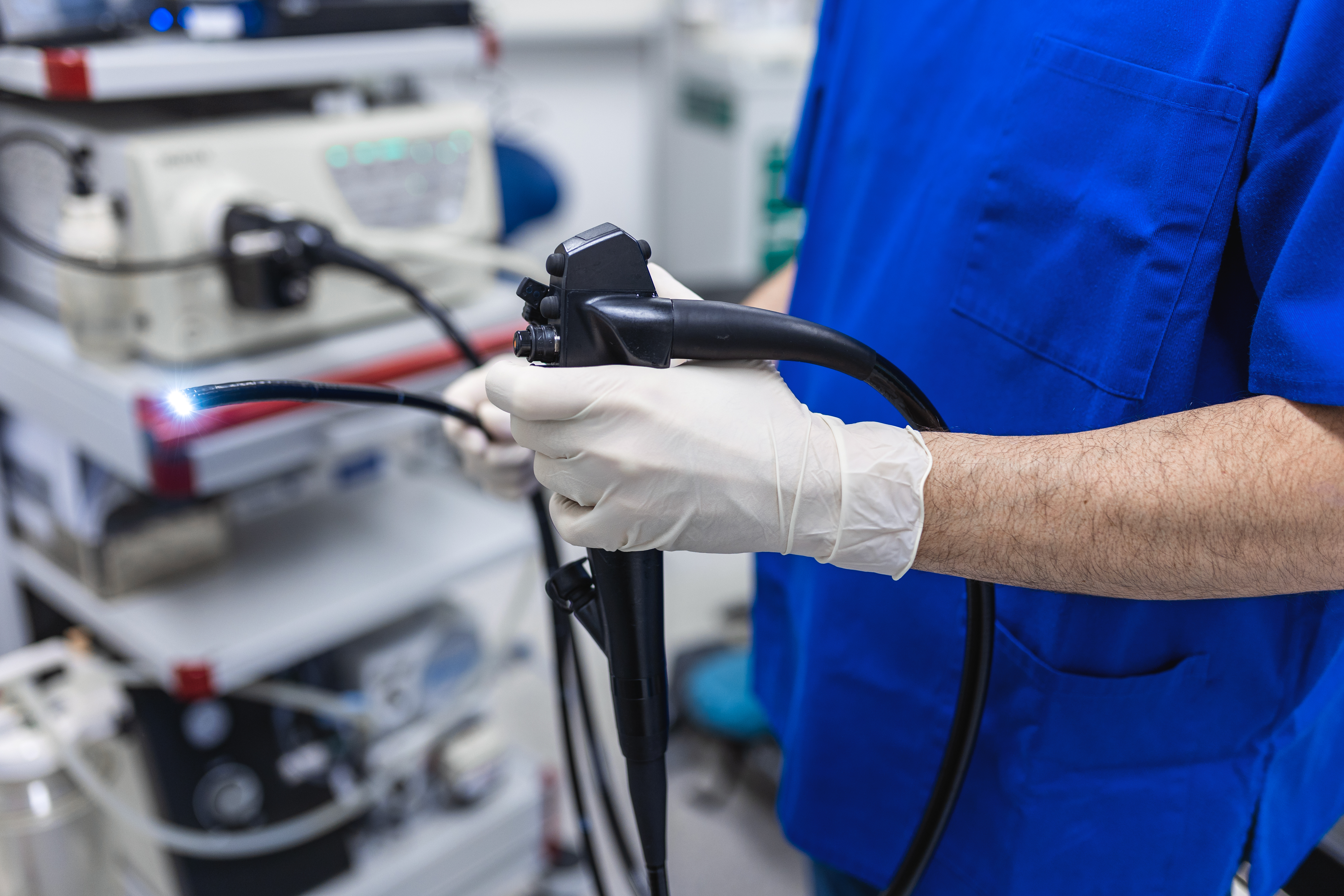
Endoscopy is a procedure commonly used in gastroenterology to examine the digestive system. A thin, flexible tube with a small camera is gently passed into the digestive tract to view the inside of the food pipe, stomach, and upper intestine. It helps doctors detect problems like ulcers, swelling, bleeding, infections, and early signs of serious conditions.
Frequnetly Asked Question's About Endoscopy
What is an endoscopy and why is it recommended?
Endoscopy is a procedure that allows a doctor to examine the inside of the digestive tract using a thin, flexible instrument with a camera. It may be recommended to investigate symptoms such as persistent abdominal discomfort, acidity, vomiting, difficulty swallowing, or digestive tract bleeding.
What digestive problems can an endoscopy help identify?
An endoscopy can help doctors examine conditions such as inflammation, ulcers, reflux-related changes, abnormal growths, and sources of bleeding. The exact findings depend on the part of the digestive tract being examined.
Can tissue samples be collected during an endoscopy?
Yes. When a doctor notices an area that needs closer examination, small tissue samples can be collected through the endoscope. These samples can then be examined in a laboratory to help determine the cause of an abnormal finding.
How should I prepare for an endoscopy?
Preparation depends on the type of endoscopy being performed. For an upper GI endoscopy, you will generally need to have an empty stomach for a specified period before the procedure. Your doctor will also advise you about regular medicines and any other preparation required.
How long does an endoscopy procedure take?
The actual procedure is usually completed within a relatively short period, although the total visit may take longer because of preparation and observation afterwards. If sedation is used, you may need someone to accompany you and should follow the medical team's instructions about driving and other activities.