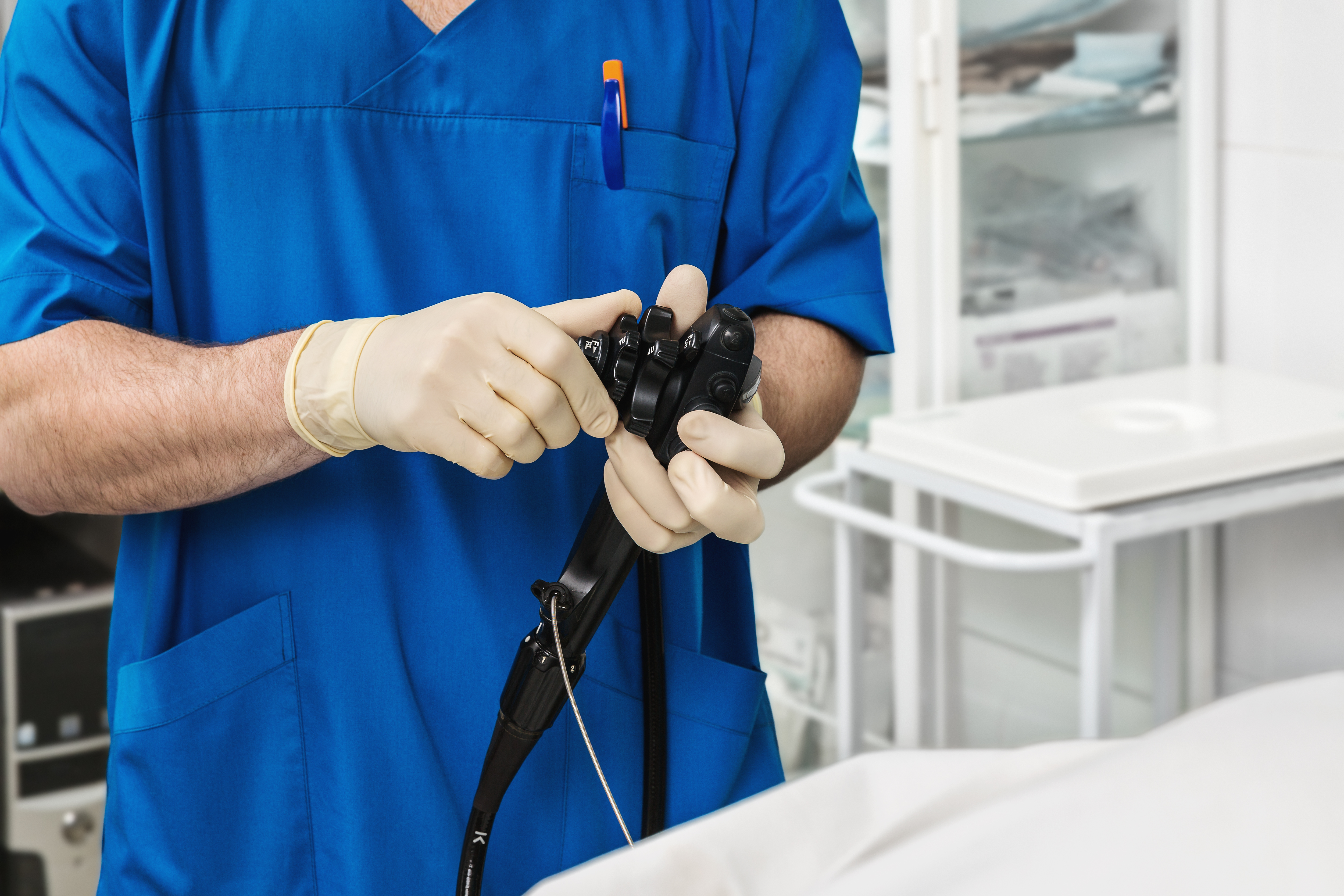
Upper GI Endoscopy
This examination is used to check the upper gastrointestinal tract, starting from the throat and extending through the food pipe, stomach, and upper part of the small intestine. It helps doctors observe the inner lining to identify problems such as inflammation, ulcers, bleeding, or other abnormalities that may be causing digestive symptoms.
Frequently Asked Question's
What is an upper GI endoscopy and why is it performed?
An upper GI endoscopy is a procedure that allows a doctor to examine the upper part of the digestive system, including the oesophagus, stomach, and duodenum, using a thin flexible tube with a camera. It may be recommended to investigate symptoms such as persistent acidity, difficulty swallowing, abdominal discomfort, vomiting, or unexplained bleeding.
What conditions can an upper GI endoscopy help detect?
An upper GI endoscopy can help identify problems such as gastritis, ulcers, inflammation, reflux-related changes, bleeding, abnormal growths, and other conditions affecting the upper digestive tract. A biopsy can also be taken during the procedure when further examination of tissue is needed.
Is an upper GI endoscopy painful?
The procedure is generally well tolerated, and medication may be given to help the patient relax and remain comfortable. You may notice temporary throat discomfort or bloating afterwards, but the experience can vary from person to person.
How should I prepare for an upper GI endoscopy?
You will usually need to avoid food and drinks for a specified period before the procedure so that the upper digestive tract can be examined clearly. Your doctor may also provide instructions about regular medicines, especially blood-thinning medicines or medicines for conditions such as diabetes.
How long does it take to recover after an upper GI endoscopy?
The endoscopy itself is usually completed within a relatively short time, although you may need some additional time for observation afterwards, especially if sedation was used. Mild throat discomfort or bloating can occur temporarily, while your doctor will explain when you can return to your usual activities.