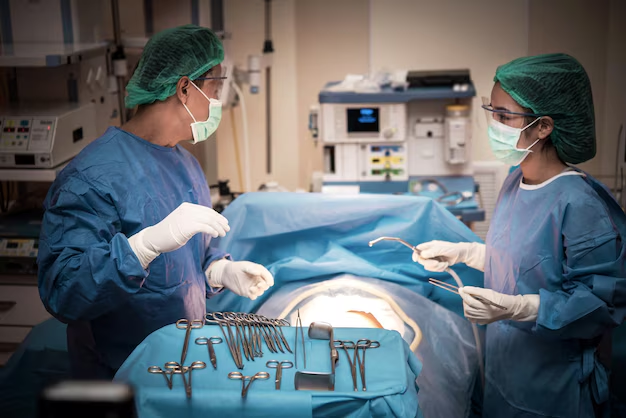
Colorectal Surgery
Colorectal surgery is an effective treatment for diseases that affect the rectum, anus, and colon. It is helpful in trading conditions, such as inflammatory bowel diseases, piles, fissures, and colorectal cancer.
Frequently Asked Question's About Colorectal Surgery
What conditions can be treated with colorectal surgery?
Colorectal surgery is used to treat problems affecting the colon, rectum, and surrounding areas. Depending on the condition, surgery may be considered for colorectal cancer, severe bowel disorders, polyps, blockages, diverticular disease, or other conditions that need surgical treatment.
When should someone see a doctor for a colorectal problem?
Persistent changes in bowel habits, blood in the stool, ongoing abdominal or rectal pain, unexplained weight loss, difficulty passing stool, or repeated digestive problems should be medically evaluated. A specialist can determine whether further testing or surgical consultation is required.
What tests may be needed before colorectal surgery?
The evaluation depends on the suspected condition and may include blood tests, colonoscopy, CT scans, MRI, stool tests, or other investigations. These results help the surgical team understand the problem and plan the most appropriate treatment.
Can colorectal surgery be performed using minimally invasive techniques?
Yes. Certain colorectal procedures can be performed using laparoscopic or other minimally invasive techniques. Whether this approach is suitable depends on the condition, its location and severity, previous surgeries, and the patient's overall health.
What is recovery like after colorectal surgery?
Recovery varies depending on the procedure and the condition being treated. Patients may need temporary dietary adjustments, pain management, wound care, gradual physical activity, and follow-up appointments. The surgical team will provide individual guidance based on the operation and progress during recovery.