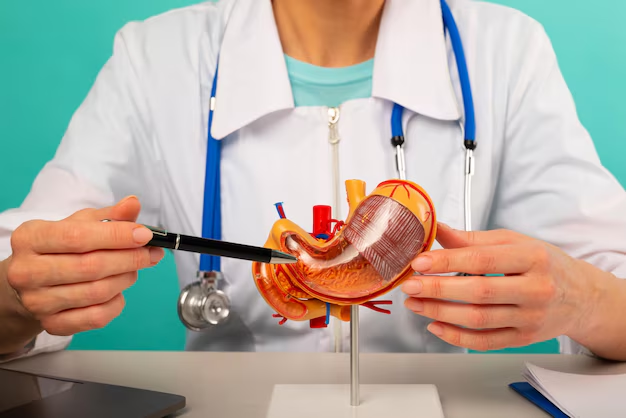
Gastrointestinal Surgeries
Conditions related to the intestine, liver, pancreas, stomach, and digestive tract need immediate medical care for conditions such as ulcers, tumours, etc. Gastrointestinal surgeries help in managing these diseases effectively.
Frequently Asked Question's About Gastrointestial Surgeries
What are gastrointestinal surgeries used to treat?
Gastrointestinal surgery can be used to treat conditions affecting different parts of the digestive system, including the stomach, intestine, colon, rectum, and related organs. Surgery may be considered for conditions such as tumors, blockages, severe infections, inflammatory disorders, or other problems that cannot be managed adequately with medicines alone.
When might a person need gastrointestinal surgery?
Surgery may be recommended when a digestive condition causes persistent symptoms, obstruction, bleeding, perforation, severe inflammation, or other complications. The decision depends on the underlying diagnosis, its severity, and the patient's overall health.
What tests are done before gastrointestinal surgery?
The pre-surgical evaluation depends on the condition being treated. It may include blood tests, ultrasound, CT scans, MRI, endoscopy, colonoscopy, or other investigations to understand the problem and plan the appropriate procedure.
Can gastrointestinal surgery be performed using minimally invasive techniques?
Yes. Selected gastrointestinal procedures can be performed using laparoscopic or other minimally invasive techniques. These approaches use smaller incisions and may offer benefits such as reduced wound discomfort and a shorter recovery period in suitable patients.
What is recovery like after gastrointestinal surgery?
Recovery depends on the type of surgery, the condition being treated, and the patient's overall health. After surgery, care may include pain management, dietary guidance, wound care, gradual physical activity, and follow-up appointments to monitor healing and digestive function.