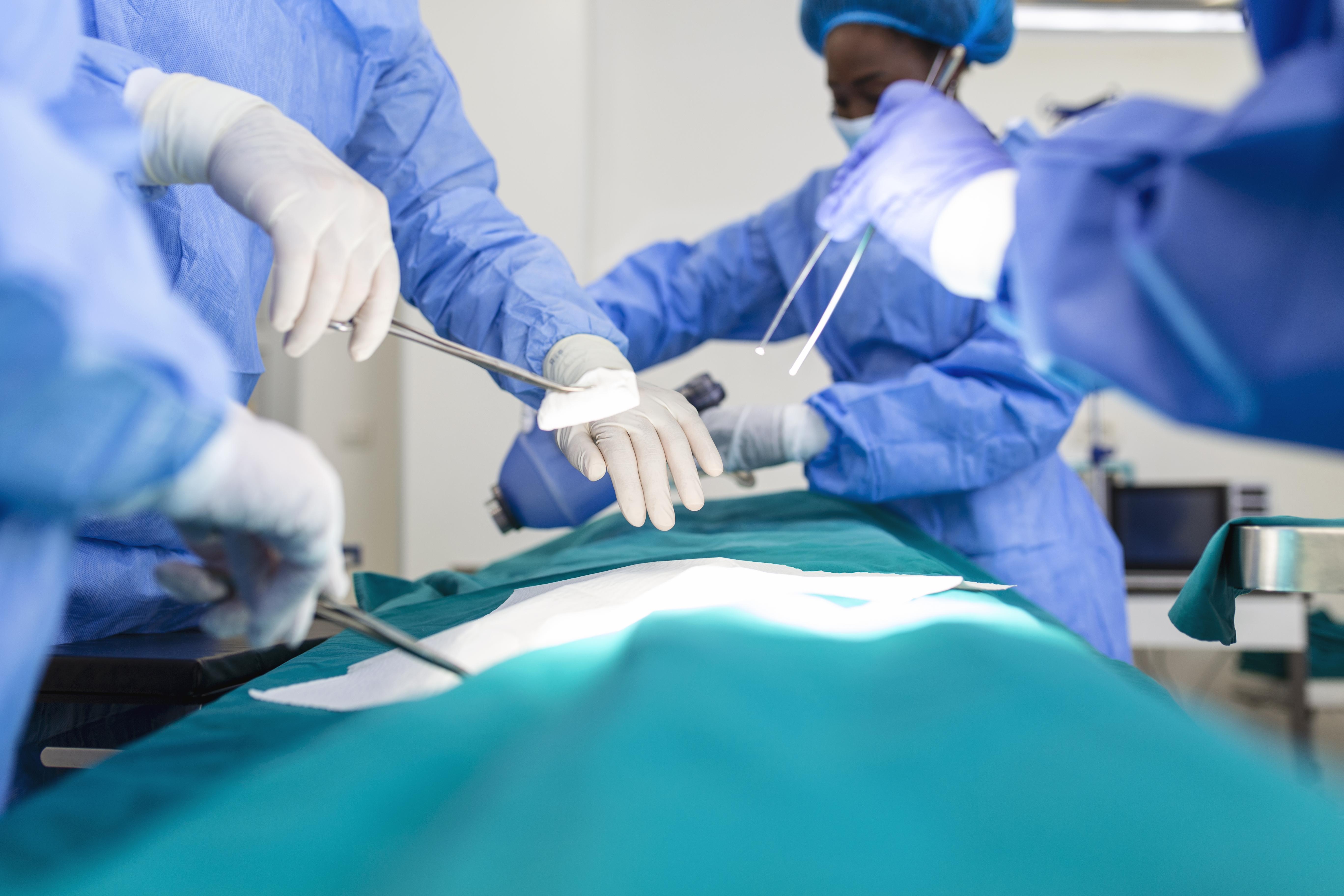
Hernia Repair Surgery
A hernia is a condition that occurs when an internal organ pushes through the weak muscle wall, which causes pain and discomfort. Hernia repair surgery becomes vital to treat the condition and restore normal body function.
Frequntly Asked Question's About Hernia Surgery
What is a hernia and how does it develop?
A hernia occurs when an internal organ or tissue pushes through a weakened area in the surrounding muscle or connective tissue. It can appear as a bulge, especially when standing, coughing, or straining, and may cause discomfort or pain.
What are the common symptoms of a hernia?
A noticeable lump or swelling, discomfort while lifting or coughing, a feeling of pressure in the affected area, or pain during physical activity can occur with a hernia. Some hernias may cause very few symptoms initially.
When is hernia surgery recommended?
Surgery may be recommended when a hernia causes persistent discomfort, increases in size, affects daily activities, or has a risk of complications. The treatment decision depends on the type, location, size, and symptoms of the hernia.
What is the difference between open and laparoscopic hernia repair?
In open repair, the surgeon accesses the hernia through an incision near the affected area. Laparoscopic repair uses smaller incisions and a camera to access and repair the hernia from inside the abdomen. The suitable approach depends on the hernia and the patient's overall health.
How long does it take to recover after hernia repair surgery?
Recovery varies depending on the type of hernia, surgical technique, and individual health. Many patients can gradually return to normal daily activities after surgery, while strenuous exercise and heavy lifting may need to be avoided for a period recommended by the surgeon.