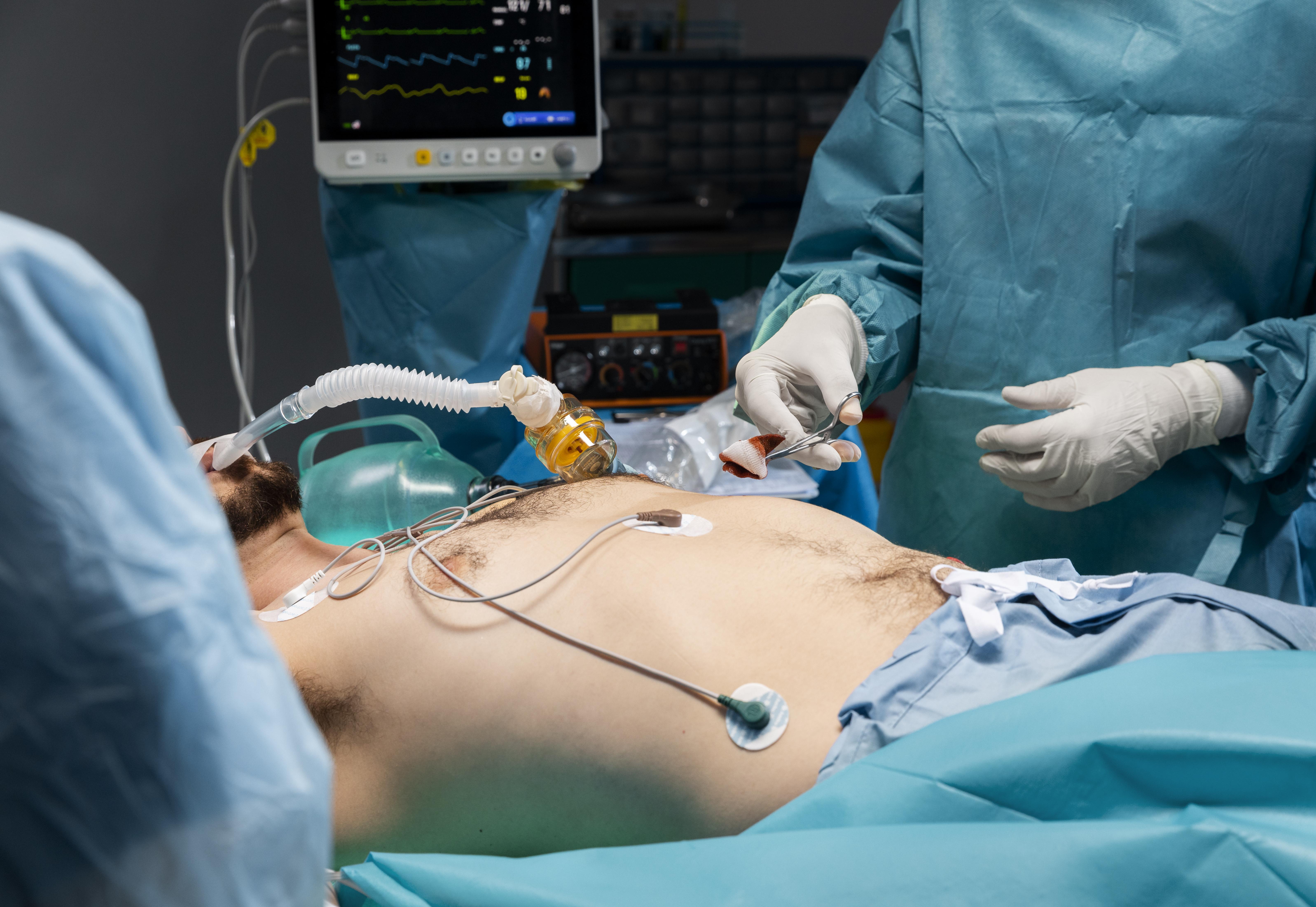
Laparoscopic Gallbladder Surgery (Cholecystectomy)
Laparoscopic gallbladder surgery is a procedure that is minimally invasive and is performed to remove the gallbladder, which becomes affected due to infection or gallstones. The procedure is not painful and has comparatively less recovery time.
Frequently Asked Question's About Cholecystectomy
What is laparoscopic gallbladder surgery?
Laparoscopic gallbladder surgery, also called laparoscopic cholecystectomy, is a minimally invasive procedure used to remove the gallbladder. It is commonly considered when gallstones or other gallbladder problems cause repeated pain, inflammation, or related complications.
What symptoms may indicate a gallbladder problem?
Gallbladder problems may cause pain in the upper right or upper middle abdomen, particularly after eating, along with nausea, vomiting, bloating, or indigestion. Severe or persistent pain, fever, or yellowing of the skin or eyes should be evaluated promptly.
When is gallbladder removal surgery recommended?
Gallbladder removal may be recommended when gallstones cause recurrent symptoms, inflammation, infection, blockage, or other complications. The decision depends on the diagnosis, severity of symptoms, and overall health of the patient.
What are the advantages of laparoscopic cholecystectomy?
Laparoscopic surgery uses small incisions and a camera to remove the gallbladder. Compared with traditional open surgery, it may involve smaller incisions, less postoperative discomfort, and a quicker return to normal activities for appropriately selected patients.
How long does it take to recover after laparoscopic gallbladder surgery?
Recovery varies depending on the patient's health and the complexity of the procedure. Many people can gradually resume routine activities within a relatively short period, while strenuous activity and heavy lifting may need to be restricted temporarily according to the surgeon's advice.