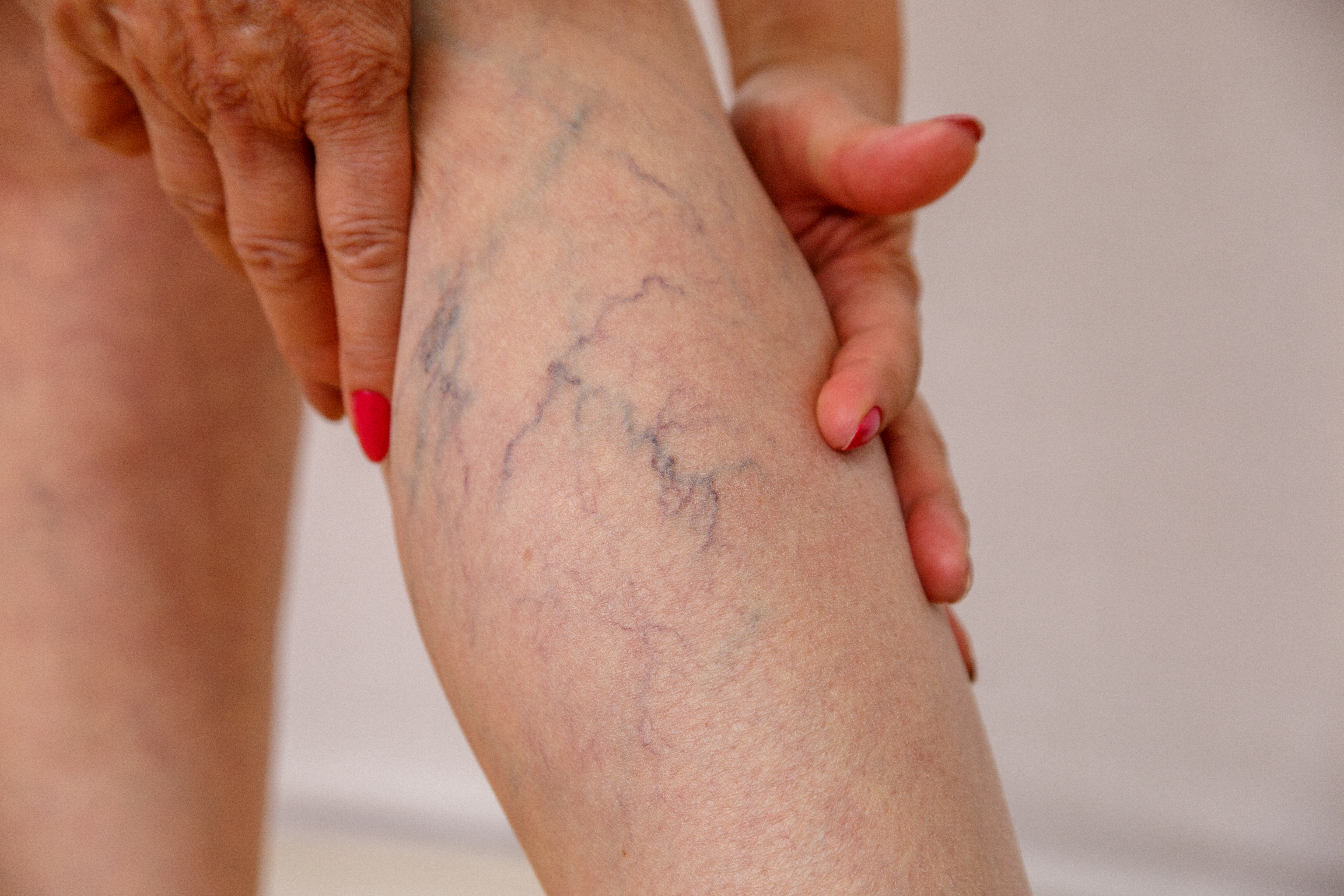
Varicose Veins Treatment
Varicose veins are treated with a complete range of surgical, conservative, and laser management options. Treatment is planned based on severity and symptoms, aiming to relieve pain, reduce swelling, prevent complications, and improve blood flow. Advanced laser techniques allow minimally invasive care with faster recovery and better outcomes.
Frequently Asked Question's About Varicose Veins
What are varicose veins and why do they appear?
Varicose veins are enlarged, twisted veins that commonly develop in the legs when blood does not flow efficiently back toward the heart. They may appear blue or purple and can sometimes cause heaviness, aching, swelling, or discomfort.
What symptoms can occur with varicose veins?
Some people notice visible bulging veins, leg heaviness, aching, swelling around the ankles, itching, or discomfort that becomes more noticeable after standing for long periods. In some cases, varicose veins may not cause any symptoms.
When should varicose veins be treated by a doctor?
Medical evaluation may be appropriate when varicose veins become painful, swollen, increasingly prominent, or start affecting daily activities. Skin changes, sores, bleeding, or sudden swelling should also be assessed promptly.
What treatment options are available for varicose veins?
Treatment depends on the severity of the veins and the symptoms involved. Depending on the condition, management may include lifestyle measures, compression therapy, minimally invasive procedures, or surgery when required after specialist evaluation.
Can varicose veins come back after treatment?
Treatment can address the affected veins, but new varicose veins may develop later because the underlying tendency toward vein problems can remain. Regular follow-up, healthy activity, and maintaining an appropriate weight may support long-term vein health.