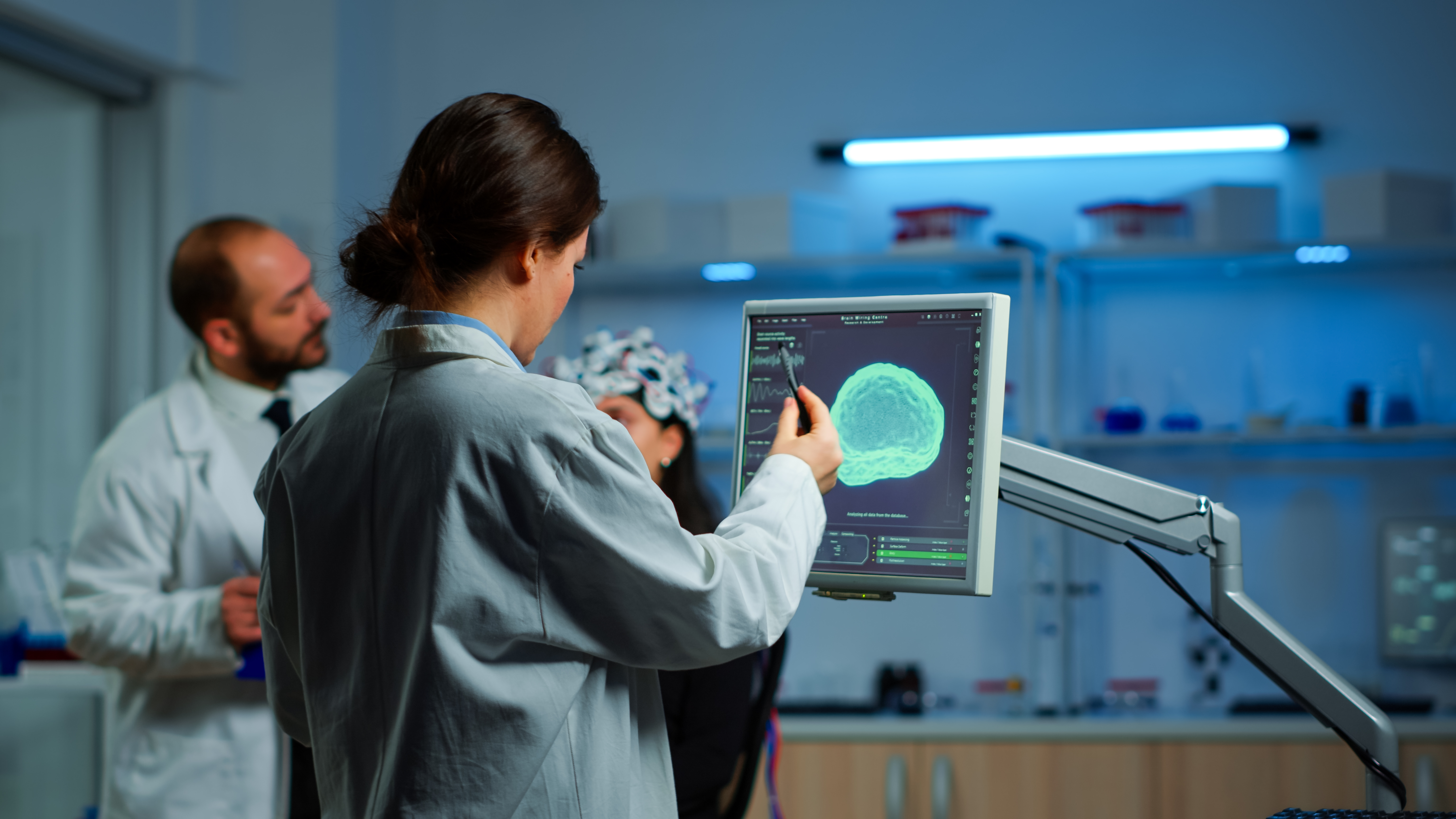
Brain Tumor Surgery
Our neurosurgeons specialize in the removal of benign and malignant brain tumors using microsurgery, endoscopic techniques, and image-guided navigation. Advanced intraoperative monitoring ensures accuracy while minimizing damage to healthy tissues. From meningiomas to glioblastomas, we provide tailored treatment plans that combine surgery with supportive therapies, ensuring the best possible outcomes with quicker recovery times.
Frequently Asked Question's About Brain Tumor Surgery
1. What are the symptoms of a brain tumor?
Symptoms can vary depending on the tumor's location, size, and growth. They may include persistent headaches, seizures, changes in vision, balance problems, weakness, difficulty speaking, or changes in memory and behaviour. Persistent or unusual neurological symptoms should be medically evaluated.
2. How is a brain tumor diagnosed?
A doctor may begin with a neurological examination and review of the patient's symptoms and medical history. Brain imaging, such as an MRI or CT scan, can help identify a tumor and provide information about its location and characteristics. Further testing may be required to determine the exact type of tumor.
3. When is surgery needed for a brain tumor?
Surgery may be considered when removing or reducing the tumor can be done safely and is appropriate for the patient's condition. The decision depends on factors such as the tumor's type, size, location, growth pattern, and its effect on surrounding brain tissue.
4. What types of brain tumors can be treated with surgery?
Surgical treatment may be used for different types of brain tumors, including certain benign and malignant tumors. The appropriate surgical approach depends on the tumor's location and characteristics. NIVIK provides microsurgical, endoscopic, and image-guided approaches for selected brain tumor cases.
5. What is recovery like after brain tumor surgery?
Recovery varies according to the type and location of the tumor, the surgical procedure performed, and the patient's overall health. Follow-up consultations, neurological monitoring, physiotherapy, or other rehabilitation services may be recommended as part of recovery.