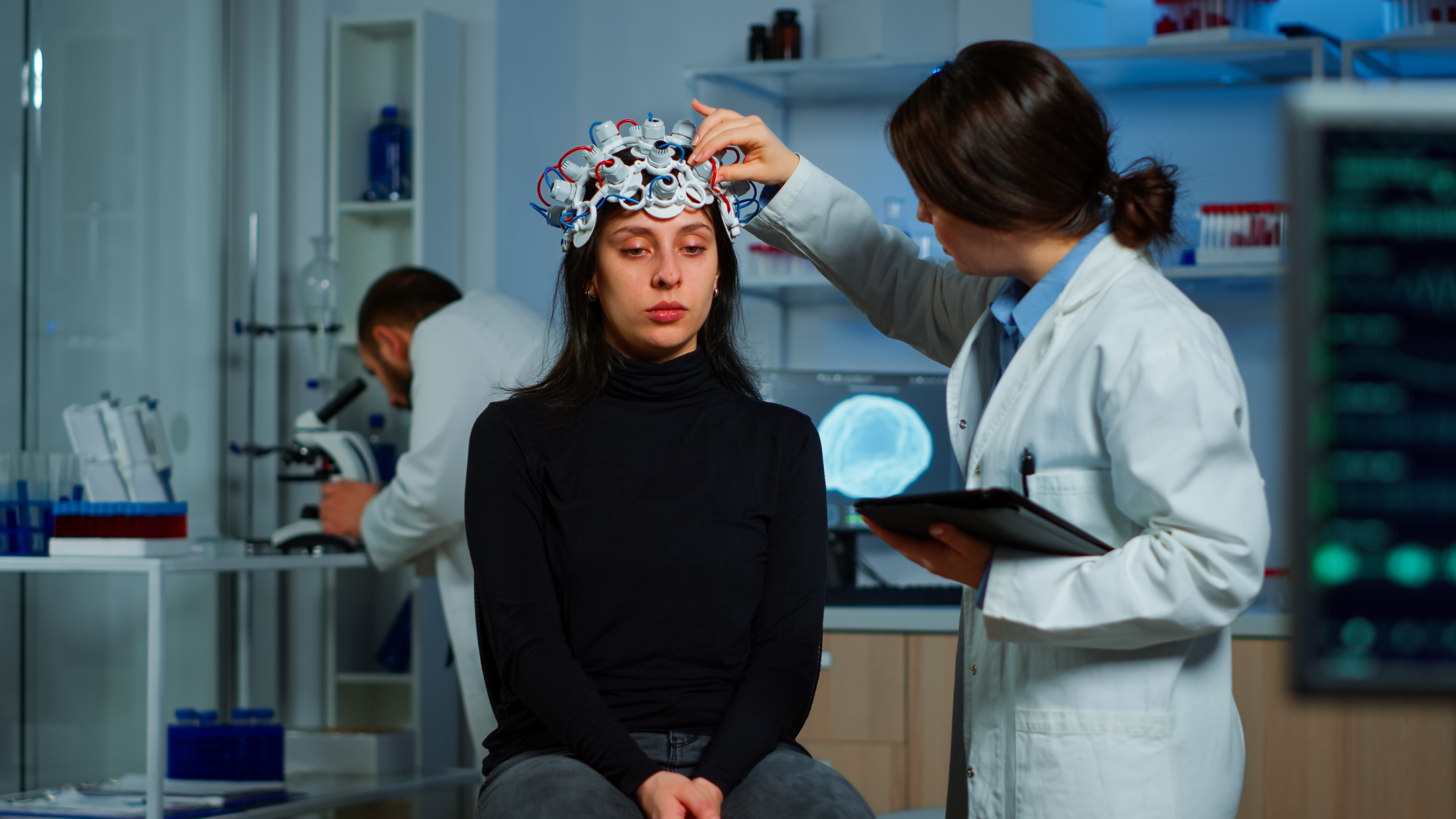
Epilepsy Surgery
For patients with drug-resistant epilepsy, our neurosurgeons perform advanced resective surgery, lesionectomy, and vagus nerve stimulation (VNS). Using brain-mapping and neuro-navigation systems, we identify and precisely remove seizure-causing regions. This reduces seizure frequency, improves quality of life, and helps patients regain independence. NIVIK Hospital’s multidisciplinary approach ensures long-term management with neurological and psychological support.
Frequently Asked Question's About Epilepsy Surgery
1. When is epilepsy surgery considered for a patient?
Epilepsy surgery may be considered when seizures continue despite appropriate treatment with anti-seizure medicines. A specialist evaluation is needed to determine whether surgery could safely reduce seizure activity and improve seizure control.
2. What tests are done before epilepsy surgery?
A pre-surgical evaluation may include EEG monitoring, brain imaging such as MRI, neurological assessment, and other specialised tests. These investigations help doctors understand where the seizures originate and assess whether surgery is appropriate.
3. Is epilepsy surgery suitable for everyone with seizures?
No. Epilepsy surgery is not suitable for every person with seizures. The decision depends on factors such as seizure type, response to medicines, the area of the brain involved, and whether the seizure source can be treated safely.
4. What types of surgery are used to treat drug-resistant epilepsy?
The procedure depends on the patient's condition and where the seizures originate. Surgical approaches may include removing the seizure-producing area when appropriate, lesionectomy for certain brain lesions, or procedures such as vagus nerve stimulation (VNS) when indicated. NIVIK lists resective surgery, lesionectomy, and VNS among its epilepsy treatment options.
5. What can I expect after epilepsy surgery?
Recovery depends on the type of procedure performed and the individual's overall condition. Follow-up care may include neurological monitoring, medication management, and rehabilitation when required. The medical team will also assess seizure control and recovery during follow-up visits.