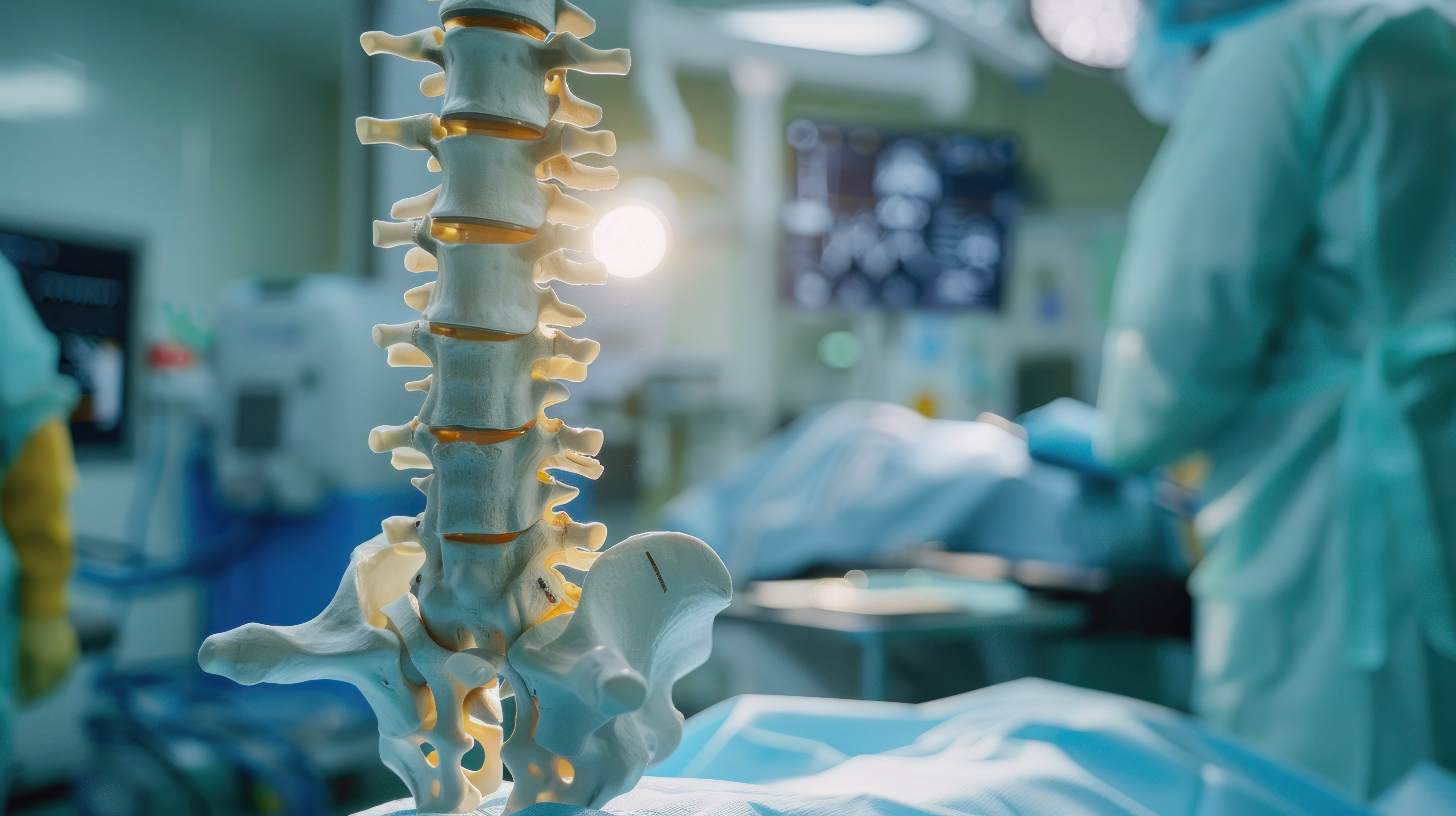
Spinal Surgery & Disorders
NIVIK Hospital offers comprehensive surgical solutions for herniated discs, spinal tumor, spinal stenosis, kyphosis, scoliosis, fractures, spinal tuberculosis and degenerative spine diseases. We perform endoscopic / microscopic minimally invasive spine surgery, UBE Neuronavigation, spinal fusion, and disc replacement to restore mobility and reduce pain. Our advanced surgical technology ensures smaller incisions, reduced blood loss, and faster healing, helping patients return to their daily lives with improved comfort and spinal stability.
Frequently Asked Question's About Spinal Surgery
1. What are the common symptoms of a spinal disorder?
Spinal disorders can cause back or neck pain, stiffness, numbness, tingling, muscle weakness, or pain that travels into the arms or legs. The symptoms can vary depending on which part of the spine and nerves are affected.
2. What spine conditions may require surgical treatment?
Some spinal conditions that may require surgery include severe or persistent disc problems, spinal stenosis, certain spinal fractures, spinal tumors, and conditions causing significant nerve or spinal cord compression. The need for surgery depends on the individual diagnosis and response to other treatments. NIVIK provides surgical care for several of these spinal conditions.
3. How are spinal disorders diagnosed?
Diagnosis usually begins with a review of symptoms and a physical and neurological examination. Depending on the suspected condition, doctors may recommend imaging such as an MRI or CT scan to examine the spine, discs, nerves, and surrounding structures.
4. Does a slipped disc always require spine surgery?
No. Many slipped or herniated discs can initially be managed without surgery, depending on the severity of symptoms. Surgery may be considered when symptoms are severe, neurological problems develop, or appropriate non-surgical treatment does not provide sufficient improvement.
5. What is the recovery process after spinal surgery?
Recovery depends on the type of spinal procedure, the underlying condition, and the individual's overall health. Follow-up appointments, appropriate physical activity, and rehabilitation may form part of recovery, with the pace of returning to normal activities determined by the treating medical team.