Stroke & Vascular Neurosurgery
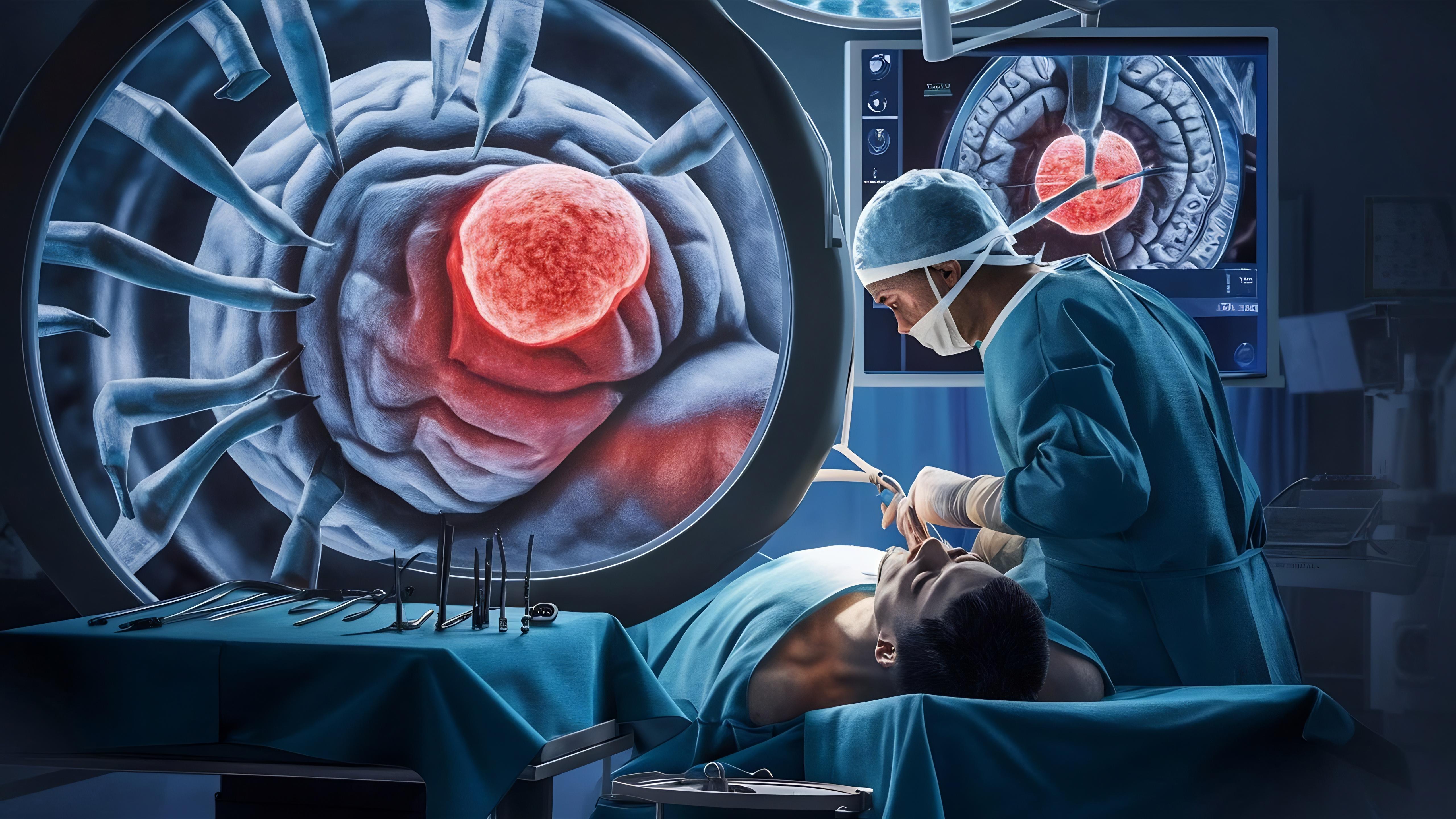
Our experts treat life-threatening conditions like aneurysms, arteriovenous malformations (AVMs), hemorrhagic stroke and ischemic strokes using clot-removal procedures, aneurysm clipping, and endovascular coiling. With a dedicated stroke response team available 24/7, we deliver rapid interventions to minimize brain damage and enhance recovery. Our vascular neurosurgery services ensure both emergency care and long-term management of cerebrovascular conditions. We also provide the Thrombosis Procedure.
Frequently Asked Question's About Stroke & Vascular Neurosurgery
1. What are the warning signs of a stroke?
Sudden weakness or numbness, difficulty speaking, confusion, vision problems, dizziness, or trouble walking can be warning signs of a stroke. A sudden severe headache may also occur, particularly with certain types of stroke. Stroke symptoms require immediate medical attention.
2. What is the difference between an ischemic stroke and a hemorrhagic stroke?
An ischemic stroke occurs when blood flow to part of the brain is blocked, while a hemorrhagic stroke occurs when a blood vessel in the brain ruptures and causes bleeding. Because the causes and treatments differ, rapid diagnosis is essential.
3. How is a stroke diagnosed in an emergency?
Doctors may assess the patient's symptoms and neurological condition and use brain imaging such as a CT scan or MRI to determine whether a stroke has occurred and identify its type. Additional vascular tests may be required to locate a blocked or abnormal blood vessel.
4. What is an aneurysm and how is it treated?
A brain aneurysm is a weakened area in a blood vessel that can enlarge and, in some cases, rupture. Depending on its location, size, and other patient-specific factors, treatment may involve monitoring, surgical clipping, or an endovascular procedure such as coiling.
5. Can patients recover after a stroke?
Recovery after a stroke varies depending on factors such as the type and severity of the stroke, the area of the brain affected, and how quickly treatment begins. Follow-up medical care and rehabilitation, including physiotherapy or other therapies when appropriate, can support recovery and help patients regain function. NIVIK provides stroke care along with rehabilitation support.