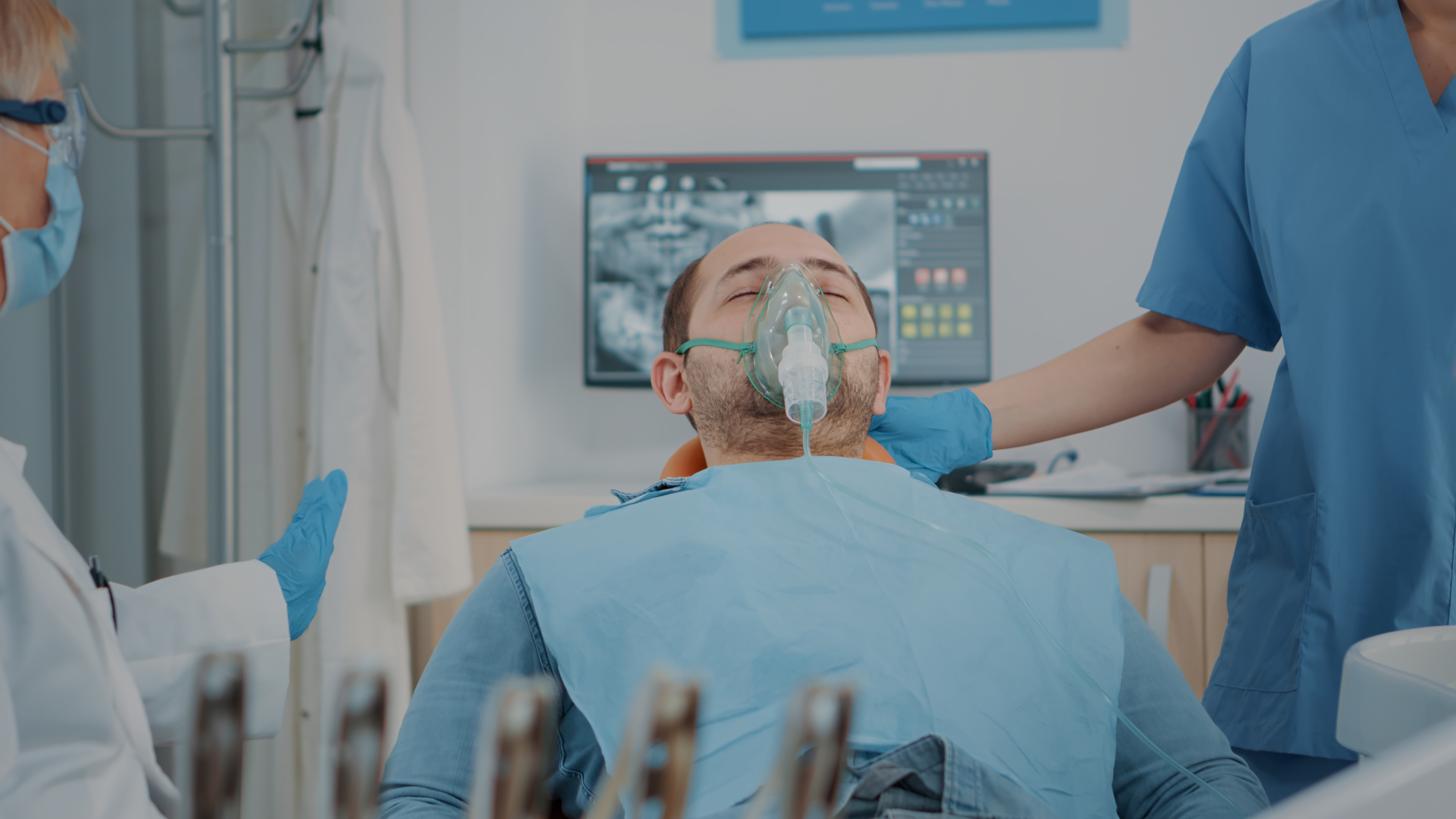
Trauma & Emergency Neurosurgery
NIVIK Hospital’s neurosurgical team is on call round-the-clock for head injuries, spinal trauma, hemorrhages, brain stroke and fractures. Using 24hrs CT and MRI imaging with advanced monitoring, we provide immediate surgical interventions such as decompressive craniectomy, spine fixation, thrmbolysis and hematoma evacuation. Our dedicated trauma unit and Neuro ICU ensure critically ill patients receive life-saving care within the golden hour, improving survival and recovery rates.
Frequently Asked Question's
1. When does a head injury require emergency neurosurgical care?
A head injury may require urgent evaluation if there is loss of consciousness, repeated vomiting, severe or worsening headache, confusion, seizures, unusual drowsiness, weakness, or changes in vision or speech. Prompt assessment can help identify serious brain injuries.
2. What types of injuries are treated under emergency neurosurgery?
Emergency neurosurgery can involve serious head injuries, brain hemorrhages, skull fractures, spinal injuries, and other trauma-related conditions that affect the brain, spinal cord, or nerves. NIVIK provides round-the-clock neurosurgical support for these emergencies.
3. How are brain injuries assessed after an accident?
Doctors first evaluate the patient's symptoms and neurological condition. Depending on the injury, imaging such as a CT scan or MRI may be used to identify bleeding, swelling, fractures, or other damage that may require urgent treatment.
4. When is surgery needed after a brain or spinal injury?
Surgery may be considered when trauma causes conditions such as significant bleeding, pressure on the brain, unstable fractures, or serious compression of the spinal cord or nerves. The treatment decision depends on the injury's severity and the patient's clinical and imaging findings.
5. What happens after emergency neurosurgery?
After emergency neurosurgery, patients may require close neurological monitoring and critical care depending on the severity of their injury. Further treatment can include medication, follow-up imaging, physiotherapy, and rehabilitation to support recovery. NIVIK has a dedicated Neuro ICU and in-house rehabilitation support for critical neurosurgical patients.