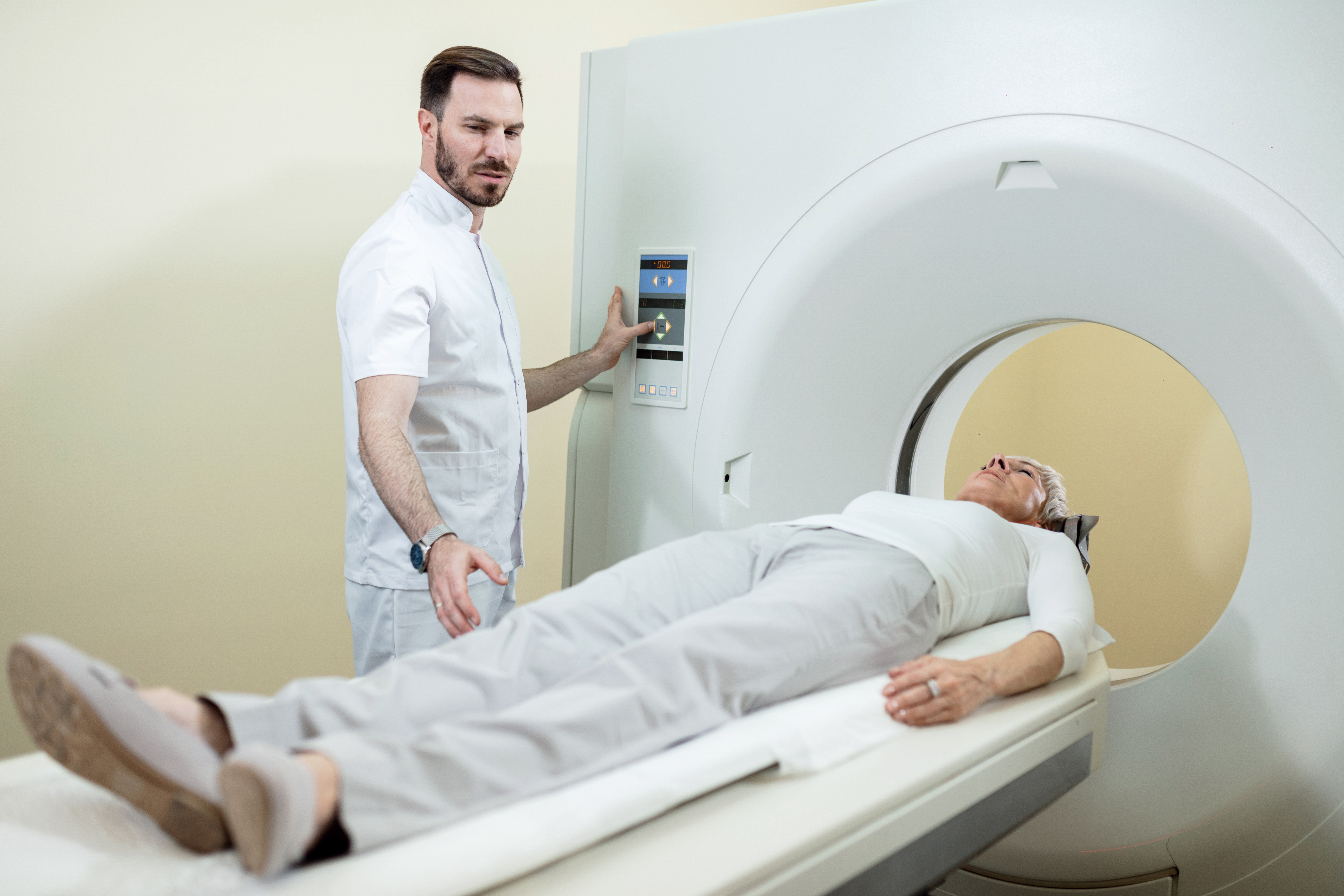
Radiation Therapy
Using precision-based radiation techniques, our oncology team delivers targeted treatment to shrink tumors while minimizing damage to healthy tissue. Modern planning systems enhance accuracy and outcomes.
Frequently Asked Question's About Radiation Therapy
What is radiation therapy and how does it help in cancer treatment?
Radiation therapy uses carefully targeted high-energy radiation to damage cancer cells and control their growth. It may be used to treat cancer, reduce the size of a tumour, relieve symptoms, or lower the chance of cancer returning, depending on the individual case.
Which types of cancer can be treated with radiation therapy?
Radiation therapy can be used for many types of cancer, including cancers of the breast, head and neck, prostate, lung, brain, and other parts of the body. The suitability of radiation depends on the type, location, and stage of the cancer.
What happens during a radiation therapy session?
Before treatment begins, the oncology team plans the radiation dose and treatment area using imaging and other assessments. During each session, the patient is positioned carefully while the radiation machine delivers the planned treatment. The actual radiation delivery is usually brief, although the overall appointment may take longer.
Does radiation therapy hurt?
The radiation itself is not usually felt during treatment. Some patients may develop side effects such as tiredness, skin changes, or discomfort in the treated area as treatment progresses. The type and severity of side effects depend on the body area treated and the radiation plan.
How many radiation therapy sessions are needed?
The number of sessions varies depending on the type and stage of cancer, the treatment goal, the area being treated, and the overall treatment plan. Some patients receive radiation over several sessions, while others may require a shorter or more intensive schedule.