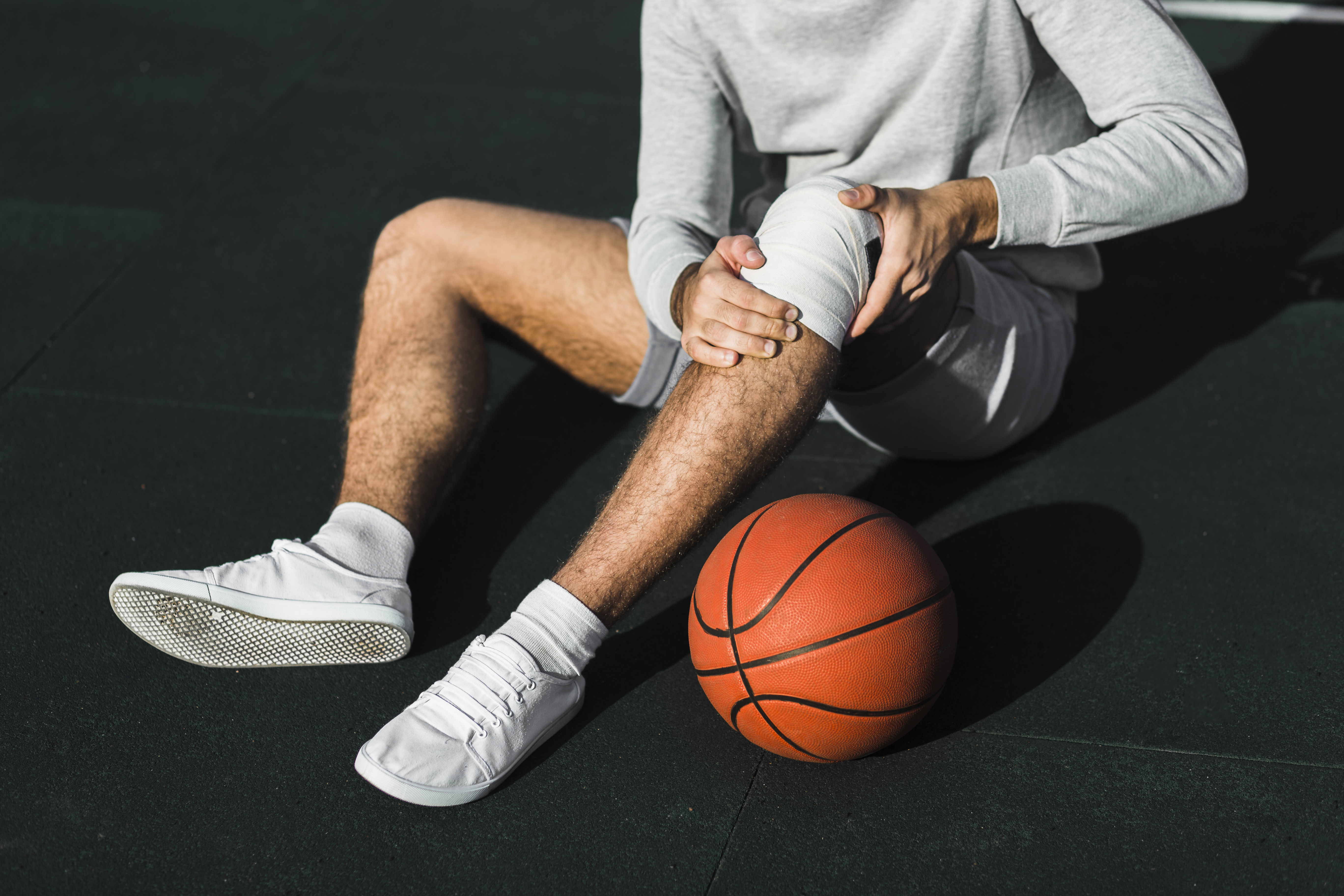
Sports Injury Management
Athletes and active individuals benefit from specialized care for ligament tears, meniscus injuries, shoulder dislocations, and tendon problems. Arthroscopic (keyhole) surgeries combined with physiotherapy help athletes recover quickly and safely return to sports.
Frequently Asked Question's About Sports Injury
1. What are the most common types of sports injuries?
Sports injuries can affect muscles, ligaments, tendons, joints, and bones. Common examples include muscle strains, ligament injuries, sprains, tendon problems, joint injuries, and fractures.
2. When should I see an orthopedic doctor for a sports injury?
You should consider seeing an orthopedic doctor if an injury causes significant pain, swelling, difficulty moving a joint, weakness, instability, or prevents you from putting weight on the affected area. Persistent symptoms after an injury should also be evaluated.
3. How are sports injuries diagnosed?
A doctor may assess how the injury occurred, examine the affected area, and check movement, strength, and joint stability. Depending on the suspected injury, imaging tests such as an X-ray or MRI may also be recommended.
4. How long does it take to recover from a sports injury?
Recovery time varies according to the type and severity of the injury. A minor muscle strain may improve relatively quickly, while ligament tears, fractures, or more serious injuries can require a longer period of treatment and rehabilitation.
5. Is physiotherapy helpful after a sports injury?
Yes. Physiotherapy can be an important part of recovery after a sports injury. Rehabilitation may focus on reducing stiffness and pain, restoring movement, rebuilding muscle strength, and helping the patient gradually return to normal physical activity. NIVIK also provides orthopedic and sports injury rehabilitation through its physiotherapy department.