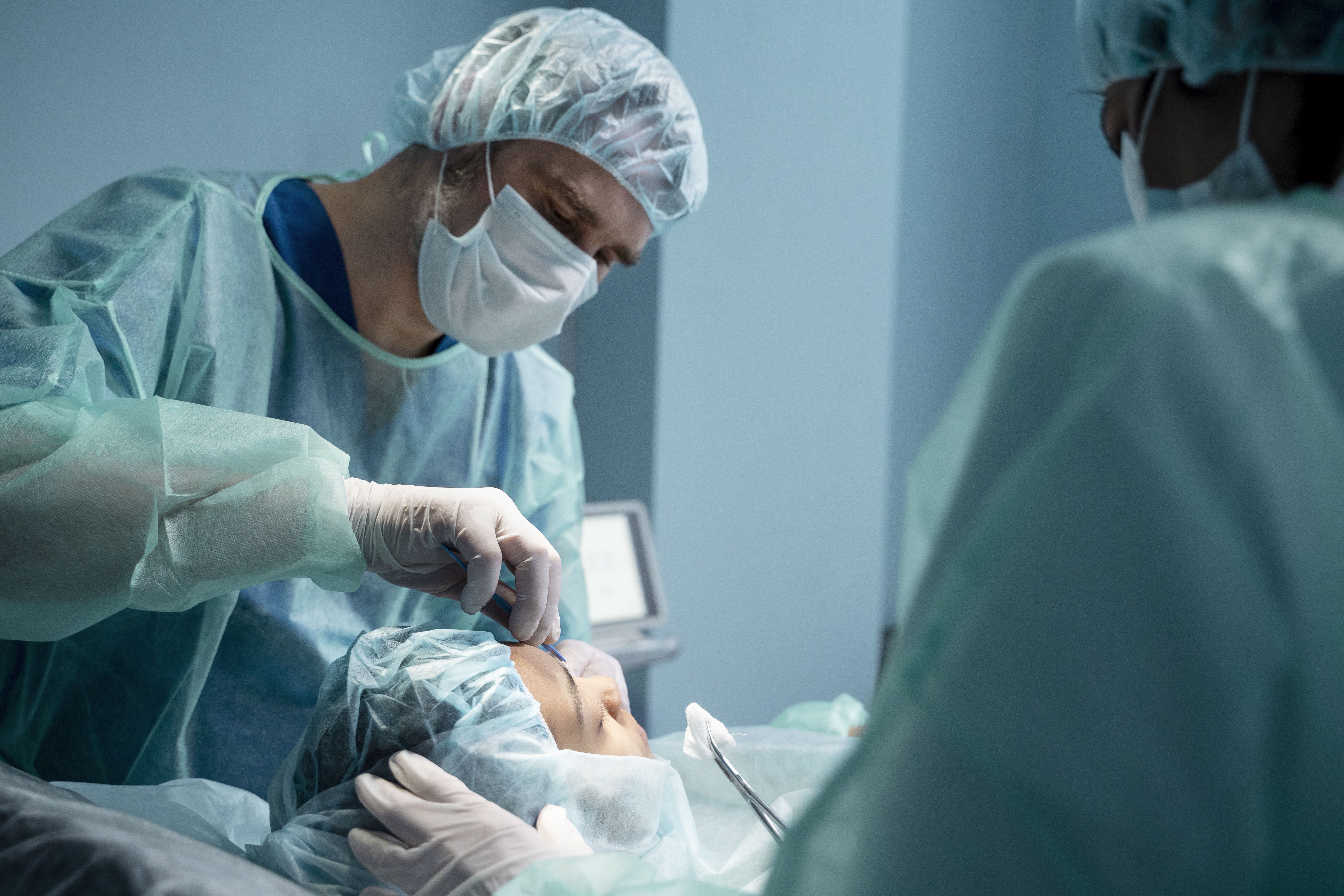
Congenital Deformity Correction
Children with cleft lip, cleft palate, or other congenital deformities receive corrective surgeries to improve function, speech, and appearance. Early intervention ensures better outcomes.
Frequntly Asked Question's
What are congenital deformities?
Congenital deformities are physical differences or abnormalities that develop before birth and may affect the appearance or function of a particular body part. They can involve areas such as the face, hands, limbs, or other parts of the body.
When is congenital deformity correction considered?
Correction may be considered when a congenital condition affects physical function, development, movement, or appearance. The timing of treatment depends on the specific deformity, the child's age, overall health, and the recommended treatment approach.
What types of congenital deformities can plastic surgery help correct?
Plastic and reconstructive surgery may help address selected congenital conditions involving the face, ears, hands, limbs, or soft tissues. The appropriate procedure depends on the nature and severity of the deformity and the individual's functional and reconstructive needs.
Is congenital deformity correction performed only for cosmetic reasons?
No. Reconstruction may be recommended to improve function as well as appearance. Depending on the condition, treatment may help with movement, tissue function, symmetry, or other physical limitations associated with the deformity.
What is recovery like after congenital deformity correction?
Recovery varies according to the deformity, procedure, and age of the patient. Follow-up appointments and, in some cases, physiotherapy or additional corrective procedures may be part of the treatment plan to support healing and functional improvement.