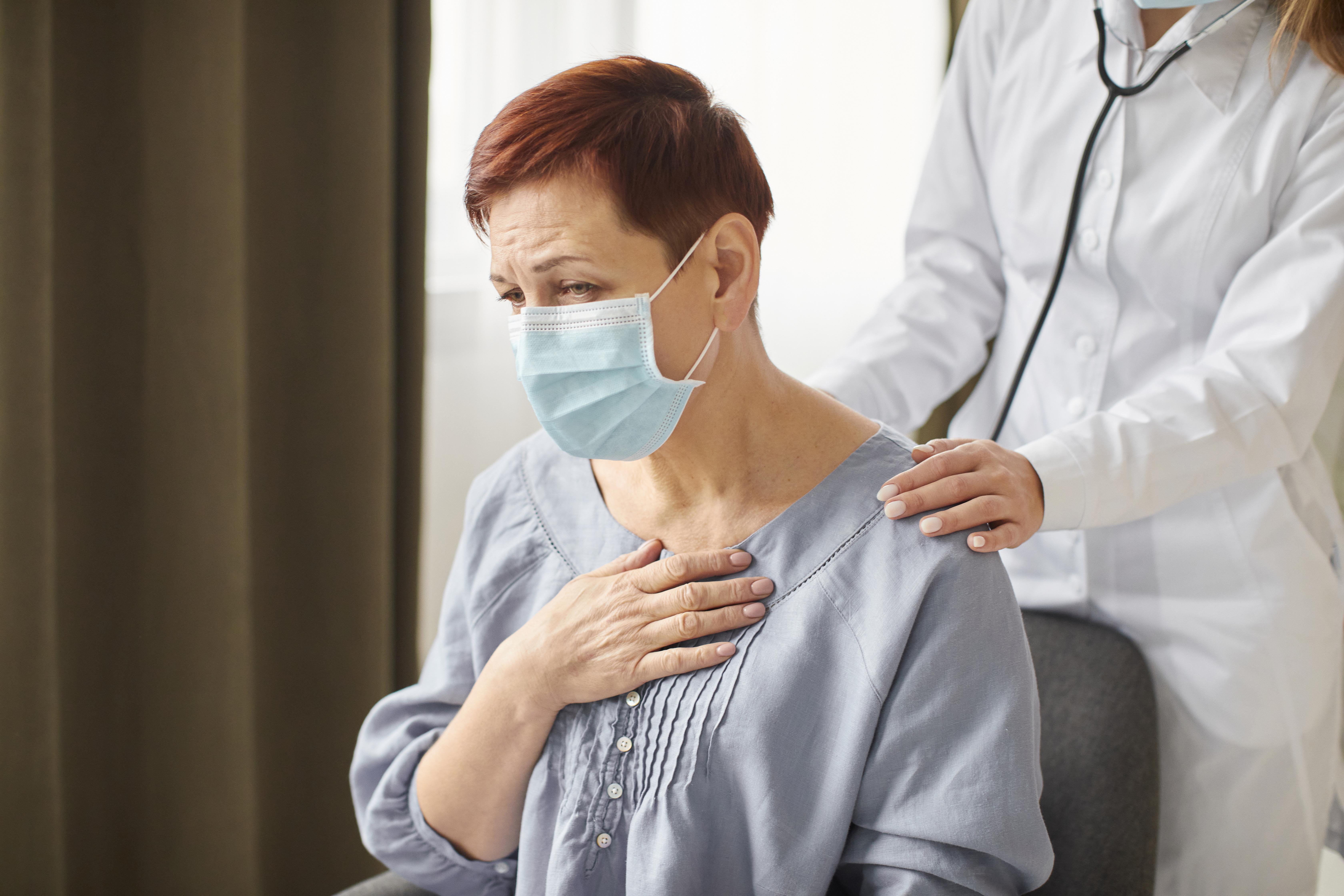
Lung Infections & Cancer Care
From pneumonia and fungal infections to lung cancer, our pulmonology team provides advanced diagnosis, medical therapy, and referrals for surgical or oncological care when needed. Multidisciplinary collaboration ensures the best outcomes.
Frequently Asked Question's About Lung Infections & Cancer Care
1. What are the common symptoms of a lung infection?
A lung infection may cause symptoms such as persistent cough, fever, chest discomfort, mucus production, weakness, or difficulty breathing. The symptoms can vary depending on the type and severity of infection.
2. How are lung infections diagnosed?
Doctors may use a combination of medical history, physical examination, blood or laboratory tests, chest X-rays, CT scans, and other respiratory investigations to identify the cause of a lung infection and assess its severity.
3. What symptoms should raise concern about lung cancer?
A persistent or worsening cough, unexplained weight loss, recurring chest discomfort, breathlessness, wheezing, coughing up blood, or unusual fatigue can require medical evaluation. These symptoms can also occur with conditions other than cancer, so proper diagnosis is important.
4. How is lung cancer diagnosed and evaluated?
Evaluation may involve chest imaging and other investigations, followed by procedures such as a biopsy when cancer is suspected. Additional tests may then be required to determine the type and stage of the cancer and guide treatment planning.
5. What treatment options are available for lung cancer?
Treatment depends on factors such as the type and stage of lung cancer and the patient's overall health. Depending on the case, care may involve surgery, medical oncology, radiation therapy, targeted treatment, immunotherapy, or a combination of approaches.