Food Rich in Vitamin B12: Benefits, Sources & Daily Intake
Human body needs different Vitamins and minerals to function properly. Among these Vitamin B12 is the necessary nutrient needed to be energetic, for red blood cell production and for healthy brain and nerve functioning. But its deficiency is found worldwide especially in vegetarians, elderly people and those who have digestive issues.
Vitamin B12 is found naturally mostly in animal-based food and therefore when people follow plant-based diets, they must be aware about its importance. In the following blog, you will be reading about the best food rich Vitamin B12, and daily needs.
What Is Vitamin B12 and Why Is it Important?
Vitamin B12 also known as cobalamin is a water-soluble vitamin which plays an important role in different body functions. It is required for energy metabolism, DNA synthesis, formation of healthy red blood cells, maintenance of myelin sheath, cell division, proper functioning of the nervous system.
Vitamin B12 is different from other vitamins and is stored in the liver for years. When there is no intake or the absorption is reduced, the deficiency symptoms show gradually. Human body cannot produce this Vitamin on its own and therefore is needed to be taken by consuming vitamin B12 sources.
You can also read:- Viral Fever: Symptoms, Causes, and Treatments
Key Benefits of Foods Rich in Vitamin B12
There are numerous benefits of consuming food rich Vitamin B12, let’s read what these are.
1. Supports Healthy Red Blood Cell Production
Consuming food rich Vitamin B12 helps the body in producing normal red blood cells. Any deficiency causes immaturity or improper functioning of cells leading to megaloblastic anaemia. Different symptoms include pale skin, dizziness, shortness of breath, fatigue and weakness. Taking food rich in Vitamin B12 helps in maintaining healthy oxygen transportation throughout the body.
2. Improves Brain Function
It is known for maintaining the brain cells and proper nerve communication. It has been shown that lower B12 levels can cause mental confusion, poor focus, and memory issues. Proper B12 intakes helps in long-term brain health and supports mental clarity.
3. Protects the Nervous System
Vitamin B12 is known for protecting the nervous system by forming and maintaining the myelin sheath. Its deficiency can cause numbness, balance problems, difficulty in walking, muscle weakness, and tingling sensations. Any long-term deficiency can cause irreversible nerve damage when not treated at the right time.
4. Helps Reduce Fatigue
Vitamin B12 supports energy metabolism and production of red blood cells. Insufficient level of this vitamin can lead to continuous tiredness and lower level of stamina. It doesn’t directly give energy but helps in converting food into energy source.
5. Supports Healthy Pregnancy
Proper Vitamin B12 intake during pregnancy helps in the growth and neurological development of the fetal. Lower B12 level leads to pregnancy complications, poor fetal growth, and neural tube defects. Pregnant women should see that their daily vitamin needs are fulfilled.
6. Maintains Heart Health
Vitamin B12 helps in the regulation of homocysteine levels in the blood. An increased homocysteine has proven to have increased risk of cardiovascular disease. Proper intake of this vitamin helps in maintaining normal homocysteine level and support the overall cardiovascular health.
Top Foods Rich in Vitamin B12
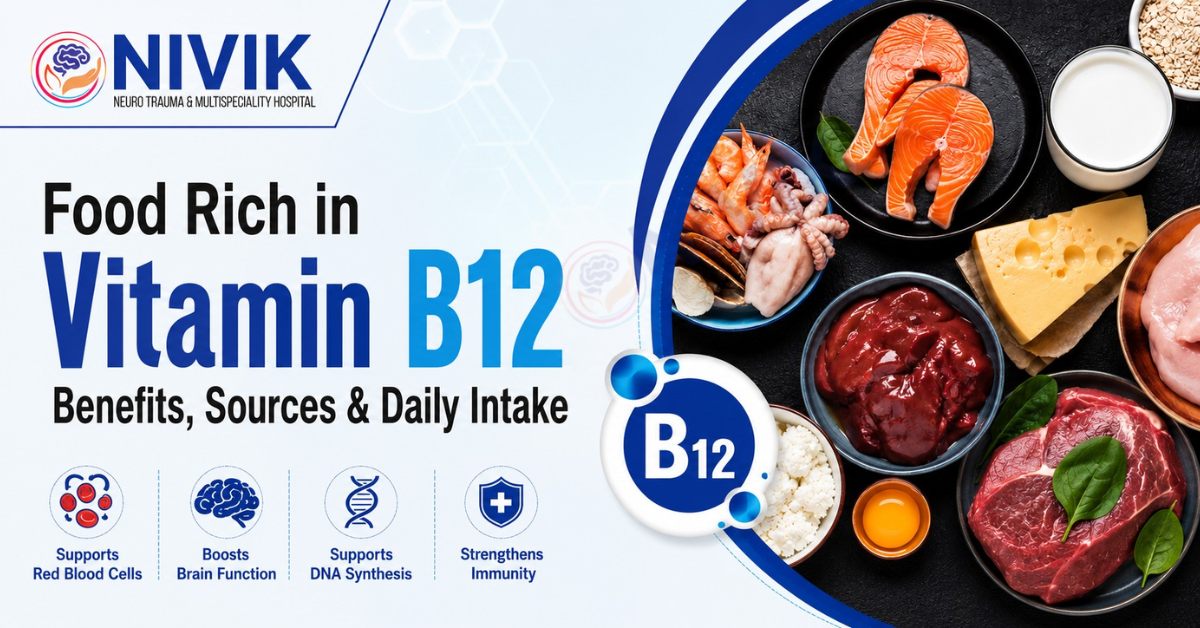
Vitamin B12 is mostly found in animal-based food naturally. Here is a list of top Vitamin B12 rich foods.
1. Liver
Liver is one of the richest natural sources of Vitamin B12. When consumed a small serving, it provides several times the daily requirement. It is available in extremely high concentrations and is rich in Iron, Vitamin A and protein.
2. Kidney
The kidney of animal contains substantial amount of Vitamin B12 and consists of protein, Vitamin B and necessary minerals.
3. Fish
There are many fish such as Tuna, Trout, Sardines, Salmon, and Mackerel which are great source of Vitamin B12. They are also rich in omega-3 fatty acids and support the heart and brain health. It is a source of high-quality protein.
4. Eggs
Eggs contain moderate amounts of Vitamin B12 which is available in the yolk. It can be easily included in meals, are rich in protein, and contains choline which is necessary for brain health.
5. Milk
Milk is an easily available source of Vitamin B12 which provides calcium, supports bone health and is useful for vegetarians who include dairy products in their diet.
6. Yogurt and Dairy Products
When we talk about dairy products, the commonly available cheese, yogurt and curd consist of Vitamin B12. It is easy to absorb, is gut-friendly and a valuable source for vegetarians who include dairy products in their diet.
7. Cheese
Cheese is a rich source of protein, calcium, and Vitamin B12. The Vitamin amount differs according to the variety of cheese.
8. Fortified Foods
There are many foods which are fortified with Vitamin B12 such as nutritional yeast, breakfast cereals, and plant-based milk. These products are best for vegans who do not consume non-veg or dairy products.
You can also read:- Chakrasana Benefits: Complete Guide to Wheel Pose in Yoga
How Much Vitamin B12 Do You Need Daily?
The requirement of Vitamin B12 depends on the age and physiological condition of the consumer.
Daily Vitamin B12 Needs by Age Group
|
Age Group |
Recommended Daily Intake |
|
Infants (0–6 months) |
0.4 mcg |
|
Infants (7–12 months) |
0.5 mcg |
|
Children (1–3 years) |
0.9 mcg |
|
Children (4–8 years) |
1.2 mcg |
|
Children (9–13 years) |
1.8 mcg |
|
Adolescents (14–18 years) |
2.4 mcg |
|
Adults |
2.4 mcg |
|
Pregnant Women |
2.6 mcg |
|
Breastfeeding Women |
2.8 mcg |
Meeting the daily requirements through best food for Vitamin B12 help in living a healthy life by preventing deficiency and supporting overall functioning of the body.
Conclusion
Vitamin B12 is a necessary nutrient which not only supports blood formation but also supports the functioning of brain, nerve health and energy metabolism. Human body cannot produce it naturally and therefore; it is needed to be included in diet in required amount.
Every individual must get their Vitamin B12 levels checked regularly especially elderly people, vegetarians and those who have digestive disorders. This will help in preventing deficiency and any serious issues that can follow. Book an appointment now at Nivik Hospital – the best hospital in Jaipur with specialized team of doctors who are waiting to help you live your best healthy lives. Connect right away!
Frequently Asked Questions (FAQs)
1. What are the best natural food sources of Vitamin B12?
Ans. The best natural sources include of Vitamin B12 are Liver, Kidney, fish, milk, eggs, yogurt, and cheese. Among the following, liver contains the highest concentration of Vitamin B12.
2. Are there any plant-based foods that contain Vitamin B12?
Ans. The natural plant-based foods do not contain much amount of Vitamin B12 as compared to animal-based sources. However, there are some fortified choices such as cereals, almond milk, soy milk, and nutritional yeast which consists of Vitamin B12.
3. What are the symptoms of Vitamin B12 deficiency?
Ans. The common symptoms of Vitamin B12 deficiency are weakness, fatigue, memory issues, tingling, numbness, balance difficulties, and loss of appetite.
4. How much Vitamin B12 should I consume daily?
Ans. The daily Vitamin B12 requirement depends on the age and physiological needs of the consumer. However, generally 2.4 micrograms per day intake is recommended for the adults. This amount increases during pregnancy to 2.6 mcg and breastfeeding to 2.8 mcg.
Book Appointment
Related Posts