Viral Fever: Symptoms, Causes, and Treatments
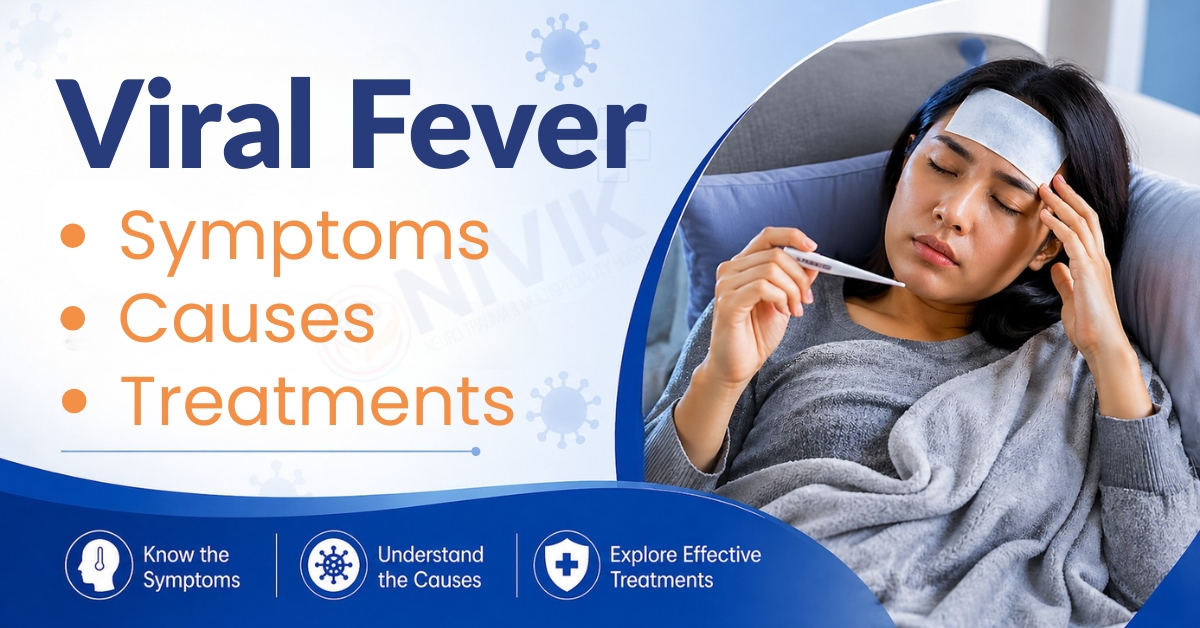
Viral fever is a short-term rise in body temperature caused by a viral infection, and it usually lasts 3 to 7 days. Common symptoms include high fever, body aches, fatigue, headache, and chills. It spreads through airborne droplets, contaminated surfaces, or insect bites, and is treated with rest, hydration, fever-reducing medicines, and a light, easy-to-digest diet.
Viral fever is one of the most common types of fever that affects people of all ages. This fever is not a disease but a symptom which indicated an underlying viral infection in the human body. With the changes in lifestyle, this fever has become worse. It mostly occurs when the season changes, is mild and limited to a few days but can lead to complications in certain cases. Let’s read about what this fever is, the signs of viral fever, causes, and its treatment.
What Is Viral Fever?
Viral fever is the increase in body temperature which is caused by a viral infection. The word virus has derived from a latin word which means poison. These microorganisms comprise of a single nucleic acid core which is surrounded by protein. The viral fever intensity depends on the body’s response to the virus. Generally, it lasts for 3 days to a week but in some cases, individual may take longer time to heal. Consult the Best General Medicine Hospital for proper diagnosis and treatment.
Viral fever can occur differently according to the virus that has infected the body. While the respiratory virus may lead to cough and sore throat, mosquito-borne virus causes fever, joint pain and rashes and gastrointestinal virus can cause nausea, vomiting and diarrhoea.
What Are the Signs and Symptoms of Viral Fever?
The viral fever symptoms can be different for everyone but it generally shows the following:
- High Fever: The patient is likely to suffer from high fever often above 38°C / 100.4°F.
- Fatigue and Weakness: With viral fever comes weakness that remains for a few days.
- Body Aches: Patients might get muscle or joint pain which is very common in severe infection or dengue.
- Headache: It has been observed that patients suffer from severe headache and poor concentration.
- Respiratory Symptoms: When virus affects the respiratory system, patients get cough, congestion, and sore throat.
- Skin Rashes: In some cases of viral infection, patients may also get skin rashes.
- Gastrointestinal Issues: There may be symptoms such as vomiting, nausea, or diarrhea.
- Chills and Sweating: The patient might feel cold, get chills or sweating.
- Loss of Appetite: The infection can lead to loss of appetite making the patient refuse to eat.
- Loss of Smell or Taste: There have been cases in which people with viral infection even lost their smell or taste.
- Eye Redness: The infection can cause redness in eyes or viral conjunctivitis.
In severe cases where the patient has been suffering for more than seven days, the patient needs immediate medical attention. The severe symptoms include chest pain, dehydration, dry mouth, confusion, dark urine, and blood in stool.
What Causes Viral Fever?
Viral fever occurs when viruses enter the human body and causes infection. The virus can enter through different ways; here are the common causes of viral fever:
- Airborne droplets: When a patient having virus infection sneezes or coughs, the virus can spread and reach the ones who inhale the tiny droplets.
- Contaminated surfaces: The surface which is contaminated by virus when touched can lead to infection.
- Insect bites: There are certain viruses which are mosquito-borne such as dengue and chikungunya and can spread through a mosquito bite.
- Contaminated food or water: Contaminated food and water with virus when consumed can lead to gastrointestinal infection.
You can also read:- Understanding Hypertension: The Silent Killer of Modern Times
Diagnosis for Viral Fever
The viral fever is diagnosed through physical examination, blood tests, medical history and in some cases, imaging may also be required. It is important that the diagnosis is done right so that the treatment can be started accordingly. Here’s how it is generally diagnosed.
- Physical examination: In physical examination, the doctor checks the patient’s temperature, throat and examines the symptoms that have been experienced. He checks for signs such as skin rashes or dehydration.
- Medical history: The specialist checks if the symptoms have been recurring, or for how long the symptoms have been there. The patient is asked regarding the vaccination history, any travelling done, exposure to patient or any existing health condition.
- Laboratory tests: There are certain laboratory tests which might be prescribed according to the symptoms such as CBC, C-reactive protein, blood culture, liver function, kidney function and antibody tests. These tests help in analysing the actual condition of the patient.
- Imaging Studies: In severe cases, the patient might need get the imaging tests done like ultrasounds, or X-rays. These are done to assess if any organ damage has happened or to see the lung involvement.
What Is the Treatment for Viral Fever?
The viral fever treatment includes medicines and diet which help in relieving the symptoms. Actions are taken to strengthen the immune system so that the body can fight better.
Common Treatment Includes:
- Fever reducers: Patients suffering from viral fever are generally given medicines for reducing the temperature such as paracetamol.
- Hydration: Hydration is important and therefore patient is suggested to increase the liquid intake by having fluids, and ORS.
- Rest: Taking proper rest is important as it helps the body to save energy and recover better.
- Diet: The patient is suggested to have soups, fruits, and boiled vegetables as they are easy to digest and provide essential nutrients to the body required to fight infection.
- Medications: Antipyretics, Decongestants, and Analgesics are suggested on the basis of the symptoms and the condition of the patient. These medicines should only be taken when prescribed by the doctor.
You can also read:- Understanding Diabetes Mellitus: Causes, Symptoms, and Prevention
Home Remedies for Viral Fever
If you have mild viral fever then it is best to cure it with the help of home remedies. They are really effective and help in quick recovery. Here are some of the common viral fever home remedies that help in relieving the symptoms.
- Warm fluids: Fluid intake is increased during viral infection. You can add healthy recipes to your diet like herbal teas, and soups and keep having warm water.
- Steam inhalation: If you have nasal congestion then you can steam inhalation as it is the best way to relieve it.
- Ginger and honey: Ginger and honey are commonly used for their natural anti-inflammatory properties and are therefore considered best for intake during viral fever.
- Tulsi (holy basil) decoction: This is an age-old recipe which help and strengthens the immune system.
- Lukewarm sponge bath: It helps in reducing the body temperature and provides relaxation.
Prevention for Viral Fever
The best ways to prevent viral fever is by maintaining proper hygiene and having a healthy lifestyle. Here are some of the ways by following which you can prevent the viral infection causing fever.
- Always wash your hand with soap before and after eating food. Keep your hand clean.
- If any of the family members, friends, or neighbours are infected then avoid any close contact with them.
- Don’t hesitate in using masks during viral infection outbreaks.
- Always maintain hygiene and keep your surrounding clean and tidy.
- Keep your space mosquito free. Use nets, sprays or mosquito repellents whenever required.
- Eat a balanced diet and include food which are rich in vitamins and support immunity.
- Stay hydrated by taking liquids in different forms whichever works for you.
- Exercise and stay fit as it helps the body in fighting minor infections easily.
- Take all the recommended vaccinations.
Conclusion
Viral fever is a very common condition which can be prevented and well-managed when happens. Millions of people get infected every year from this and recover within a few days. It can be treated by managing the symptoms, taking proper diet, home remedies, medicines as prescribed and remaining hydrated. The stronger the immune system, the faster is the recovery.
If you have been suffering from any of the viral fever symptoms for more than 3 to 7 days, consult a doctor at the best hospital in Jaipur. Nivik Hospital has all facilities required for diagnosis and treatment of viral infection. The experienced doctors, nurses and the trained staff ensures that the patient recovers fast and goes back home healthy and happy.
Frequently Asked Questions (FAQs)
Q1. How long does viral fever last?
Ans. It has been observed that viral fever last from 3 to 7 days and in some cases may last longer depending on the virus involved.
Q2. Can antibiotics cure viral fever?
Ans. No, antibiotics don’t cure viral fever. They are only effective against the infections caused by bacteria.
Q3. When should I see a doctor if I have viral fever?
Ans. If you have been suffering from viral fever then you must consult a doctor in case it has been more than 3 days. And if you have been facing symptoms like difficulty in breathing and high fever.
Q4. Is viral fever contagious?
Ans. Yes, viral fever is likely to spread through contact with the patient, touching the contaminated surface or breathing the infected air.
Q5. Can viral fever be prevented completely?
Ans. You can take measures to reduce the risk of getting viral fever by maintaining hygiene and improving your immunity but it not completely preventable.
Book Appointment
Related Posts